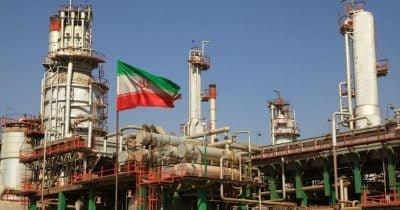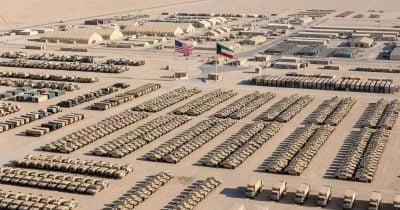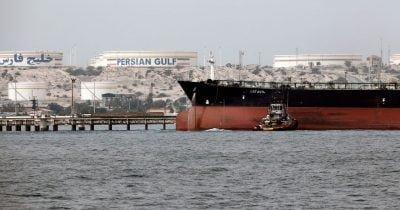
Recent military operations by the US against Iranian targets have reverberated across global markets, showcasing the intertwined nature of geopolitical events and asset prices. Investors are reassessing their positions as oil prices surged and gold, alongside cryptocurrencies, experienced declines.
Understanding the Market Impact
The strategic US strikes on July 7 drastically affected commodities. As tensions escalated in the Strait of Hormuz, an area critical for global oil supply, Brent crude prices jumped over 2%, nearing $76 per barrel. This spike in energy prices is crucial because it signals a potential rise in inflation, which can lead to tighter monetary policy from the Federal Reserve. Such shifts often undermine non-yielding assets, particularly gold, which fell by approximately 1-2% as investors adjusted to the new economic landscape.
- Brent crude oil approached $76 per barrel.
- A 1-2% decline in gold prices.
- Bitcoin traded in the $62K-$63K range.
- Overall crypto market declined by 1.24%.
The interplay between military action and economic sanctions against Iranian energy exports creates a feedback loop. In this scenario, diminishing supply leads to higher prices, contributing to inflation expectations and impacting the attractiveness of various risk assets.
The Ripple Effect on Cryptocurrencies
Following the US military action, the broader crypto market experienced a decline of approximately 1.24%. Notably, Bitcoin decreased to the $62K-$63K range, while significant altcoins like Solana and Hyperliquid experienced drops up to 5%. This pattern highlights the vulnerability of smaller and mid-cap tokens during times of high geopolitical risk. Conversely, gold-backed tokens such as PAXG and XAUT exhibited resilience, which might indicate a preference for assets perceived as stable amidst volatility.
Investor sentiment is crucial here. The fact that gold, traditionally a safe haven, is struggling against inflationary pressures implies that investors expect the Federal Reserve to maintain or raise interest rates in response to higher energy costs.
Looking Ahead: Key Factors to Monitor
As we move forward, it is imperative to monitor how these geopolitical tensions evolve and their implications for energy markets. Investors should keep an eye on:
- The status of sanctions against Iran and their impact on oil supply.
- The Federal Reserve's policy adjustments in response to rising inflation.
- Market reactions to further escalations in the Middle East.
These elements will not only affect traditional markets but can also reshape investor behavior in the cryptocurrency space. In this context, vigilance is key, as earlier patterns of volatility could emerge in response to new developments.
This material is for informational purposes only and is not financial advice.