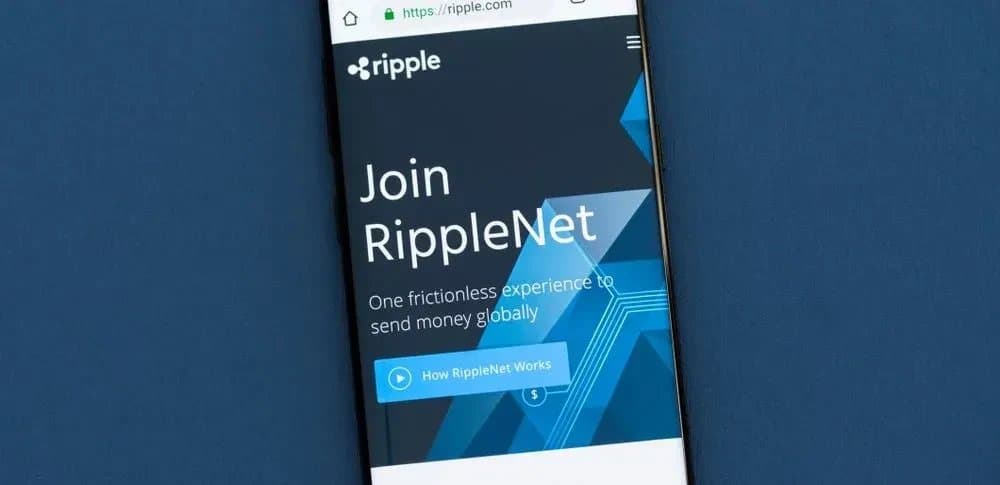
Recent confirmations from Ripple reveal its payment solution's ability to support SWIFT messaging interoperability, a notable advancement given that SWIFT connects over 11,000 financial institutions worldwide. This positions Ripple as a potential upgrade to conventional cross-border payment systems, addressing both the messaging and settlement aspects of transactions.
By integrating smoothly with existing SWIFT infrastructure, Ripple allows banks to retain familiar processes while benefiting from improved liquidity and lower settlement costs. As SWIFT accelerates its modernization efforts with 75% of international payments now reaching beneficiaries within just 10 minutes the gap in liquidity and costs may still benefit from Ripple's blockchain capabilities.
Importantly, Ripple does not require financial institutions to abandon established systems; instead, it provides a bridge for integrating blockchain technology without disrupting existing workflows. This strategic positioning may reinforce Ripple's value in a fast-evolving payments landscape. Many observers now see SWIFT's modernization not as a threat to Ripple, but as validation of the broader adoption of distributed ledger technology in finance.
With Ripple's support for the ISO 20022 messaging standard, compatibility with modern banking systems is enhanced, making the transition smoother for financial institutions. The documentation exhibits a dual path to payments innovation allowing the legacy systems to coexist with groundbreaking blockchain solutions reflecting a significant evolution in the payment industry as a whole.
This material is informational and not financial advice.