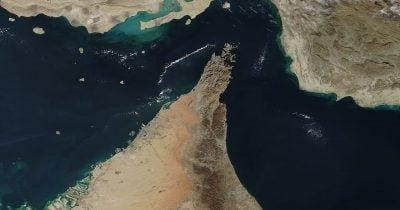
The recent revocation of oil sanctions waivers for Iran by the United States following attacks in the Strait of Hormuz marks a notable escalation in geopolitical tensions that could significantly affect global oil markets. This decision, made on July 7, 2026, comes after Iranian forces targeted two commercial vessels, including a Qatari LNG tanker, raising immediate concerns about oil supply stability through this vital maritime corridor.
Why This is Significant for Investors
The revocation indicates a shift in U.S. policy that aligns with a broader strategy to exert maximum pressure on Iran. By re-imposing sanctions, the U.S. aims to weaken Iran's revenue from oil sales, crucial funding for its regional activities and nuclear program. Market participants are already reacting, as evidenced by fluctuations in crude oil prices, suggesting they are preparing for potential supply disruptions.
- The United States has ended a temporary 60-day sanctions relief for Iranian oil.
- This move follows attacks on commercial vessels, heightening tensions in the region.
- Expectations of price hikes are increasing among market observers due to the strategic importance of the Strait of Hormuz.
Potential Market Ramifications
The Strait of Hormuz, through which approximately 20% of the world's oil passes, plays a critical role in global energy security. As market participants brace for potential supply disruptions, oil prices could see upward pressure, impacting not just crude oil price indices but also related markets such as equities and alternative energy sources. Investors should take note of the heightened volatility in oil prices, which could ripple into broader financial markets.
Looking Ahead: Key Developments to Monitor
Looking ahead, it will be crucial to monitor several developments:
- Additional military actions in the Strait of Hormuz that may further disrupt oil transportation.
- Statements from both U.S. and Iranian authorities, which could indicate the trajectory of these tensions.
- Responses from international entities such as OPEC+ and their strategies to stabilize prices amid these geopolitical tensions.
Staying informed about these events could provide insights into potential trading opportunities or risks for investors in the energy sector and beyond.
This material is for informational purposes only and is not financial advice.