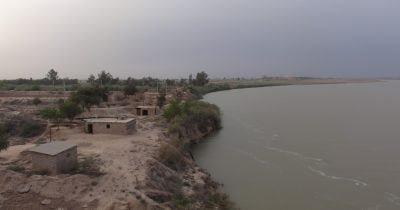
In a significant escalation of military actions in the Middle East, reports have emerged of enemy projectiles striking key cities in Iran's Khuzestan province, including Hendijan, Mahshahr, and Abadan. These attacks are a critical component of the ongoing conflict that has seen Iran clashing with a coalition led by the United States and Israel. The deputy governor of Khuzestan, Valiollah Hayati, confirmed the strikes, indicating that they targeted pivotal locations within this vital energy hub, home to substantial oil reserves and a network of petrochemical facilities.
The Strategic Importance of Khuzestan
Khuzestan's geographical and economic significance cannot be overstated. As one of Iran's most important provinces for oil production, its stability directly influences global energy markets. Each military strike within this region raises the stakes of an already precarious situation, heightening anxieties not only within Iran but also among international investors. Given that Khuzestan is integral to Iran's economy, the recent military actions could lead to fluctuations in oil prices, particularly if they disrupt production or transportation within the province.
Market Reactions and Future Implications
The recent strikes have shifted market perceptions, with analysts predicting an increased likelihood of further Israeli military actions in the region by the end of 2026. This escalation is likely to provoke reactions from investors, who are already closely monitoring developments related to Middle Eastern military interactions. The attention is particularly focused on statements from the Israeli and U.S. defense departments, as any indications of further cross-border military activities could significantly influence market dynamics.
Moreover, the situation in Khuzestan serves as a bellwether for broader geopolitical tensions, potentially impacting not only oil prices but also shaping the sentiment in other markets connected to energy, agriculture, and commodities. Investors should be prepared for volatility stemming from any announcements of expanded military campaigns, as they could shift expectations towards increased Israeli involvement in the region and trigger fluctuations across multiple sectors.
As the conflict unfolds, attention to energy markets will be crucial. The potential ramifications of military actions in Khuzestan extend far beyond the immediate area, echoing through global supply chains and impacting economic stability. The intersection of military conflict and market dynamics is a critical area for investors to watch closely, as developments in this region could have far-reaching consequences.
This material is informational and does not constitute financial advice.