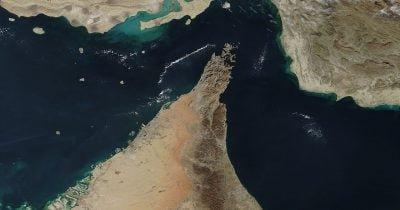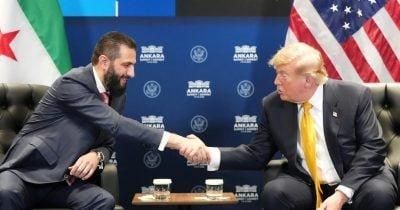
Recent diplomatic discussions involving Qatar, Iran, and Oman concerning the reopening of the Strait of Hormuz present a remarkable intersection of global energy markets and cryptocurrency adoption. As representatives from these nations convened in Muscat on July 11, 2026, they aimed to establish a framework for restoring unhindered oil transit through this pivotal maritime route, which accounts for roughly 20% of the world’s oil shipping.
Historically, the Strait of Hormuz has been a critical chokepoint, facilitating the movement of millions of barrels of oil daily. However, the current geopolitical crisis has led Iran to impose stringent restrictions on shipping, instituting transit fees payable not only in traditional currencies but now also in cryptocurrencies like Bitcoin and USDT. This shift to accepting digital assets is indicative of Iran's navigation around crippling international sanctions, which have rendered conventional banking channels largely inaccessible. Therefore, the option to pay in Bitcoin offers a practical workaround for both Iran and shipping companies seeking to comply with new regulations while managing costs.
The implications of these talks extend beyond regional geopolitics; they carry significant potential for the global oil market. A genuine agreement to facilitate free passage through the Strait may lead to lower oil prices, easing the pressure that has driven benchmarks like Brent and WTI above $100 per barrel. Investors should watch closely as this could invigorate a more stable pricing environment, allowing for a reassessment of energy stocks and global risk appetite.
Nonetheless, there exists a paradoxical dynamic at play. If transit fee revenues diminish due to a successful agreement, the demand for Bitcoin from Iran as a sovereign entity may also decrease. With transit fees estimated at around $1 per barrel and encompassing millions of barrels, even a partial allocation of such payments in Bitcoin translates to substantial purchasing pressure in the market.
As these developments unfold, several key variables merit investor attention: the final outcome of the diplomatic talks and the nature of any joint statements, oil price reactions to these announcements, and the potential for increased scrutiny from regulatory bodies like the US Treasury regarding Iran's utilization of cryptocurrency. Increased oversight might lead to compliance challenges for exchanges engaged in facilitating such transactions, further influencing market dynamics.
This article is for informational purposes only and should not be considered financial advice.