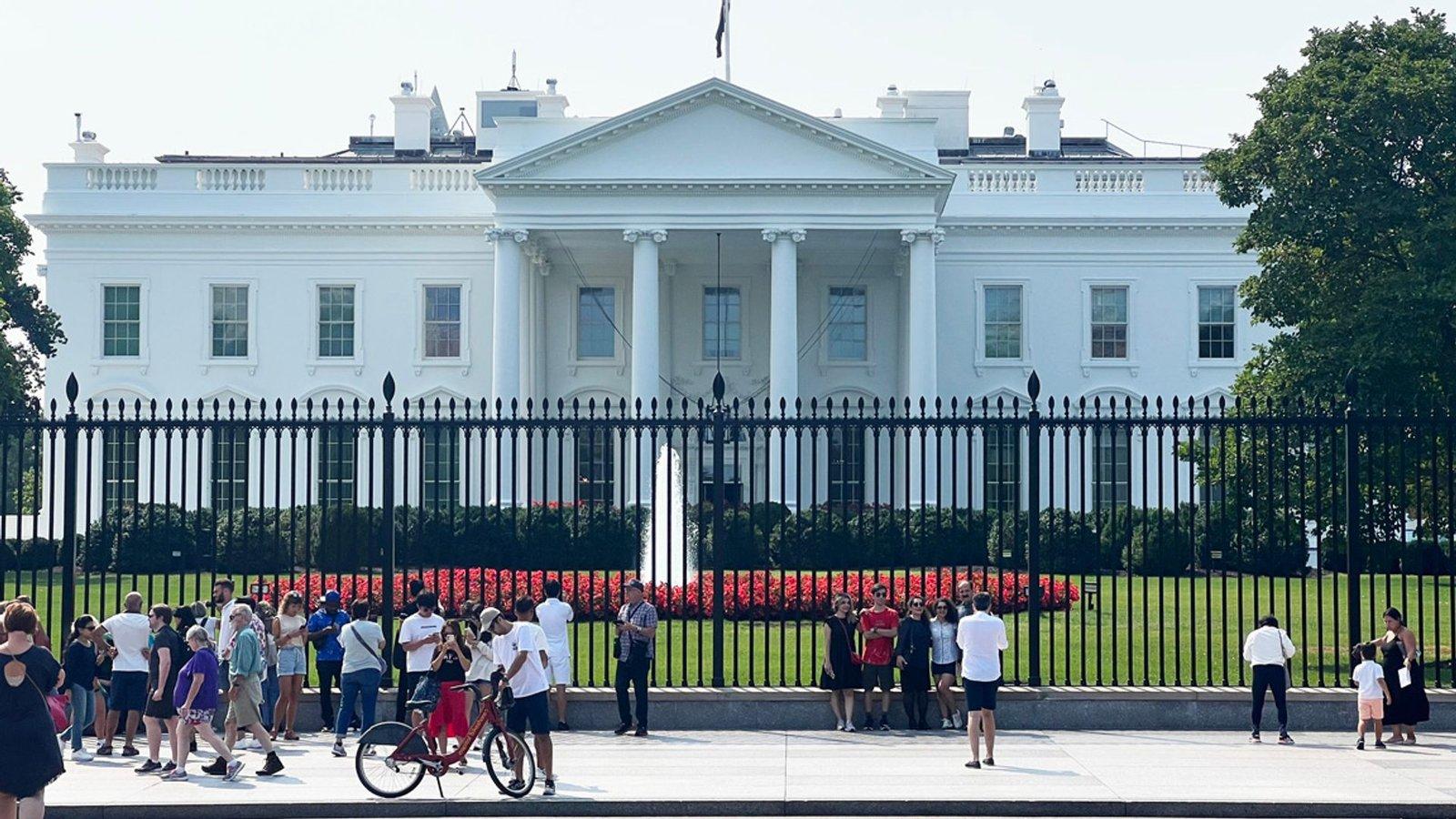
The recent intervention from the White House regarding the FIFA World Cup serves as a powerful reminder of the intricate relationship between politics and sports, particularly when substantial sponsorship dollars from sectors like cryptocurrency are involved.
The Political Landscape of Sports
When President Donald Trump took the extraordinary step of calling FIFA President Gianni Infantino to contest a red card issued to USMNT forward Folarin Balogun, it highlighted a new level of political engagement in global sporting events. The subsequent overturning of Balogun's suspension raises essential questions about governmental influence in international sports governance.
Analysis of Giuliani's Statement
Andrew Giuliani, the executive director of the White House Task Force on the FIFA World Cup 2026, attempted to downplay the significance of the incident by emphasizing that the USMNT's legacy would ultimately be defined by their performance on the field, rather than procedural maneuvers off it. While this may be comforting to some, it glosses over a more concerning reality: a host nation's capacity to exert pressure on sports governing bodies can lead to ethically dubious situations.
Implications for Sponsorship and Investment
This kind of political intervention is particularly crucial for sponsors, especially those in emerging sectors like cryptocurrency, who may view the intersection of politics and sports as a potential risk factor. The narrative surrounding fair play and integrity in sports can be jeopardized by such governmental influence, stirring skepticism among investors. As concerns about market stability grow, it is vital to consider how these dynamics could affect sponsorship strategies and overall investment in crypto-related sports initiatives.
Investors in the crypto space may find it worthwhile to monitor how these political dynamics unfold, as they could have a lasting impact on the credibility of their brand partnerships and the broader landscape of sports sponsorships.