The recent decision by FIFA to overturn Folarin Balogun’s red card suspension during the 2026 World Cup raises serious questions about the intersection of politics and sports governance. The unprecedented direct involvement of President Trump in this matter is extraordinary and pressures the integrity of global sports organizations.
Context of the Decision
Balogun’s suspension stemmed from a straight red card issued in a group stage match against Bosnia and Herzegovina on July 2. Under FIFA’s rules, automatic red card suspensions are typically non-appealable, creating a framework for maintaining consistency across all teams involved in the tournament. However, just three days after Balogun’s suspension, FIFA unexpectedly lifted the penalty. Such a swift reversal, particularly at this stage of a World Cup, is virtually without precedent.
Political Dynamics at Play
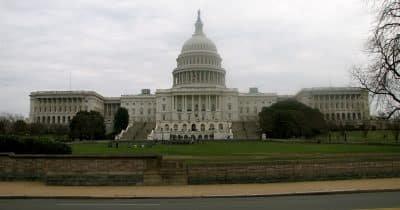
The backdrop of the situation becomes even more significant when considering the United States as the host nation. The political apparatus behind such a powerful nation carries implications for FIFA, particularly given the financial stakes involved. FIFA’s revenue generation during the tournament is closely tied to the host country’s regulatory environment, sponsorship, and broadcasting deals. President Trump’s personal interaction with FIFA President Gianni Infantino to advocate for Balogun illustrates a concerning power dynamic; when a head of state calls, the leverage held by sports governing bodies may become compromised.
Implications for Fair Play and Future Governance
By invoking Article 27 of its Disciplinary Code, FIFA justified its decision to exercise discretionary authority under exceptional circumstances. Critics argue, however, that this article was never intended to be leveraged against automatic penalties, which undermines the very principles of fair play and consistency in the sport. This incident not only distorts the competitive landscape but also reflects the uncomfortable reality of political influence in sports governance.
Moving forward, the implications for FIFA and other international sports organizations are profound. Such a precedent could invite further interventions narrowing the gap between politics and sports, potentially reshaping governance standards. For the United States, having Balogun back in the squad is crucial as they face a formidable Belgian team. For broader contexts within sports governance, this situation emphasizes the ongoing need for transparency, consistency, and an unwavering commitment to fair play.