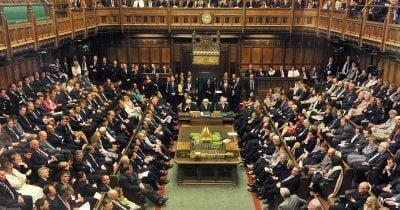
The ongoing debate surrounding cryptocurrency donations in the UK has taken a significant turn as Labour MPs, led by Liam Byrne, seek to enshrine a permanent ban on such contributions into law. This proposal comes at a time when the political fundraising landscape has begun to tilt, with certain parties most notably Reform UK gaining considerable financial backing from the crypto sector.
Why This Matters Now
The importance of this proposed legislation extends beyond mere fundraising mechanics; it reflects broader concerns about transparency and foreign influence in British politics. Labour's push for a permanent ban is primarily motivated by a desire to prevent the perceived opaqueness of crypto funding from becoming embedded in the electoral framework.
- Reform UK has reportedly secured around £9 million in private donations in Q1 2026, significantly outpacing Labour and the Conservatives.
- Approximately £4 million of Reform UK's funding came from BitMEX co-founder Ben Delo, while total contributions from Christopher Harborne reached £15 million.
- The temporary moratorium on crypto donations was enacted on March 25, 2026, in conjunction with a cap on donations from overseas British voters.
These figures underscore the rapid influx of crypto capital into political circles, and the Labour Party's concerns are echoed by the findings of the Rycroft Review, which raised alarms about foreign interference risks in political funding.
Industry Reactions and Broader Implications
Reactions to the proposed ban have been mixed. Proponents of cryptocurrency contend that blockchain's inherent transparency offers a superior alternative to traditional financing. Industry players, including major platforms like Coinbase, argue that regulatory scrutiny could enhance accountability rather than diminish it.
For investors and firms involved in cryptocurrency, this political pivot represents an unclear path forward. The legislative shifts spanning from the Rycroft Review to the Electoral Commission’s updated guidelines set a worrying precedent for further restrictions, which could catalyze investor uncertainty.
Future Developments to Monitor
As this political issue develops, stakeholders should keep an eye on the legislative process. Upcoming debates surrounding these proposals and any counter-efforts from industry advocates may significantly influence the regulatory landscape of cryptocurrencies in the UK. Furthermore, the reactions from crypto investors could create ripple effects in market sentiment.
This article is for informational purposes only and should not be considered financial advice.