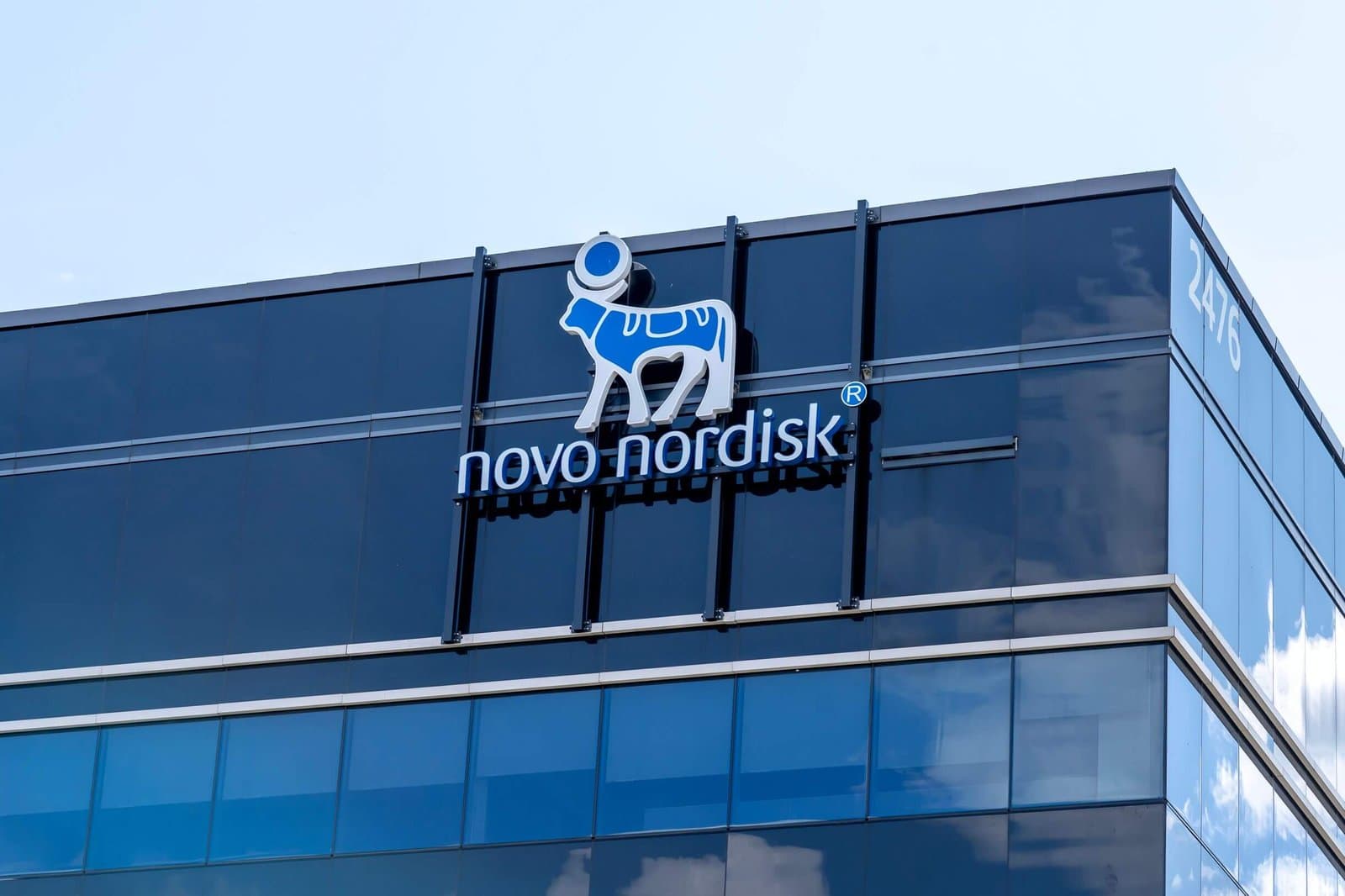
Shares of Novo Nordisk and Eli Lilly dipped sharply after Novo filed a lawsuit accusing Lilly of misleading advertising for its weight-loss drugs. Novo Nordisk alleges that Lilly’s ad campaigns for Zepbound and Mounjaro rely on outdated clinical data, skewing comparisons to make Lilly’s drugs appear more effective than Novo’s offerings.
The lawsuit, lodged in the U.S. District Court for the District of New Jersey, targets nationwide TV and social media advertisements that claim patients on Lilly’s Zepbound lose an average of 50 pounds compared to 33 pounds on Novo’s Wegovy. Novo counters that the 33-pound figure reflects older trials involving lower Wegovy doses, while the recently approved 7.2 mg dose authorized in March 2025 yields an average weight loss closer to 47 pounds, nearly matching Zepbound’s 48 pounds as reported in Lilly’s latest data.
By omitting this updated data, Novo argues Lilly’s ads create a misleading narrative that overstates the superiority of Zepbound over Wegovy. This distinction matters because weight-loss drug efficacy is a critical factor for prescribers and patients, influencing market share in an increasingly competitive obesity treatment sector. Misrepresenting comparative effectiveness could distort physician prescribing behavior and patient choices, potentially impacting sales and investor confidence for both companies.
Novo previously issued a cease-and-desist letter to Lilly in April following Wegovy’s high-dose approval. Lilly responded by adding a small, unclear footnote about the higher dose, which Novo describes as ambiguous and insufficient to correct the misleading impression. Novo now seeks a court order to halt the ads, mandate corrective advertising, and recover financial damages, threatening immediate injunctions if Lilly does not comply voluntarily.
The dispute extends beyond Wegovy and Zepbound. Novo alleges similar misleading tactics in ads comparing Lilly’s Mounjaro to Novo’s Ozempic, suggesting a broader strategy of using selective data to enhance Lilly’s competitive positioning. This legal battle highlights the fierce competition among pharmaceutical giants in the lucrative weight management market, where marketing claims can significantly sway market dynamics.
For investors, the lawsuit introduces regulatory and reputational risks for Eli Lilly, whose stock fell by about 2.7% on the news, while Novo’s shares declined roughly 1.4%. The outcome could set precedents affecting advertising standards in the pharmaceutical industry, especially for drugs in highly scrutinized categories like obesity and diabetes. Market participants will watch closely how courts interpret the Lanham Act in this context and whether corrective measures will reshape promotional practices.
This material is informational and not financial advice.