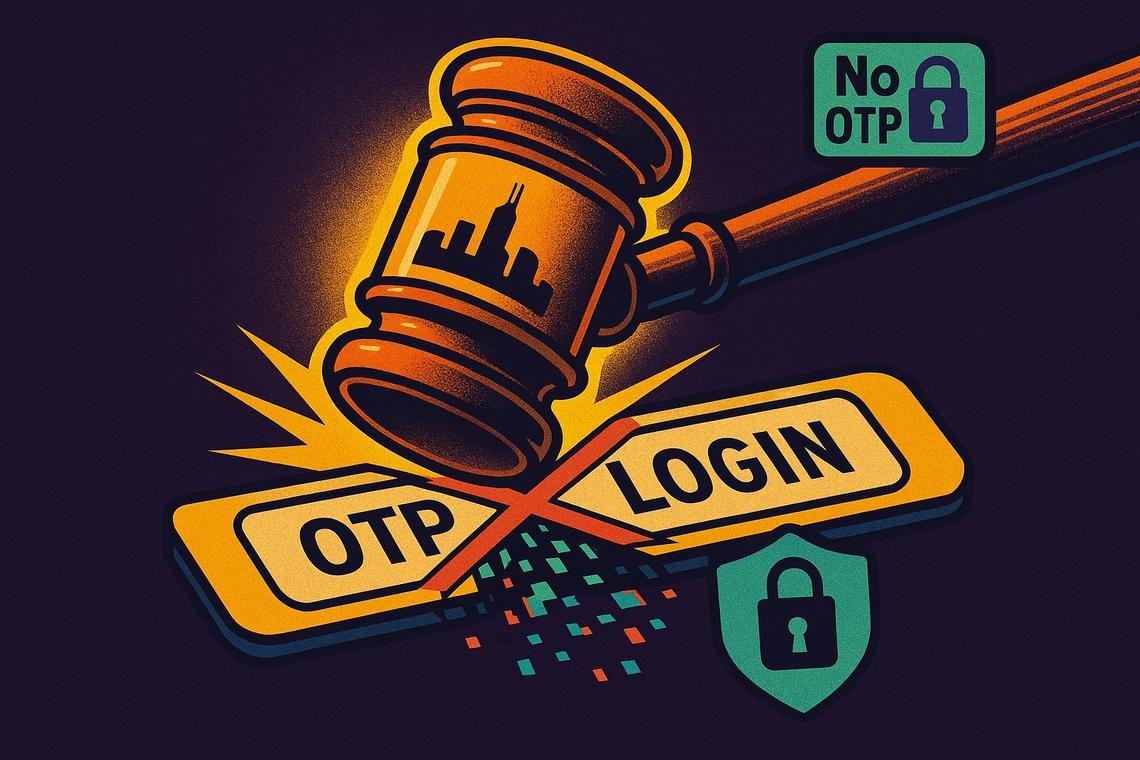
The recent regulatory measures announced by the Hong Kong Securities and Futures Commission (SFC) mark a significant turning point in the realm of crypto security. With phishing schemes responsible for staggering losses, estimated at $306 million in just the first quarter of 2026, the urgency for a paradigm shift in user authentication practices has never been clearer.
Redefining Security Standards in Crypto
Under the new rules, all virtual asset trading platforms and online brokers in Hong Kong must eliminate one-time passwords (OTPs) as a login method. Traditional OTPs, typically received through SMS, emails, or authentication apps, have proven inadequate against modern phishing attacks. With this regulation, stronger, phishing-resistant authentication methods such as passkeys and hardware security keys are now mandated.
This regulatory shift underscores the need for a more robust cybersecurity framework within the financial technology sector, particularly as phishing and social engineering scams continue to evolve. In fact, a staggering 57% of all cybersecurity incidents reported in Hong Kong last year stemmed from counterfeiting and fraud attacks, further illustrating the pressing nature of these protective adaptations.
Accountability and Compliance in Focus
The SFC's decision not only impacts user authentication practices but also introduces a new layer of accountability for firms. Senior management at licensed entities will now bear responsibility for customer losses resulting from inadequate internal controls. This shift emphasizes a cultural change within organizations, pushing for proactive measures rather than reactive responses.
Furthermore, trading platforms are required to implement detection and surveillance systems designed to flag suspicious activities, such as unusual login attempts or trading patterns. Firms must promptly inform clients of significant account actions and swiftly respond to any hacking incidents. Regular communication regarding emerging scams also becomes a mandated aspect of compliance, ensuring that user education is prioritized.
This regulatory framework not only signals a commitment to enhanced security but also serves as a benchmark for other jurisdictions grappling with similar challenges. The ramifications could extend beyond Hong Kong, potentially influencing global standards as the crypto landscape continues to mature.
This content is informational and does not constitute financial advice.