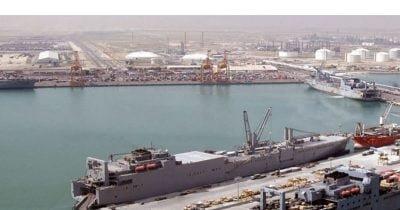
The tragic loss of six US Army Reserve soldiers in a drone strike at Port Shuaiba, Kuwait, serves as a stark reminder of the complex interplay between geopolitical events and market stability. Occurring amidst tensions in the Middle East, this incident raises significant concerns regarding how such escalations can influence both traditional financial markets and the volatile realm of cryptocurrencies. The attack on March 1, 2026, not only marks the first American military casualties in the ongoing conflict with Iran but also marks a potential turning point in investor sentiment toward geopolitical risk premiums.
As details unfold, the implications of this event extend far beyond the immediate military context. The drone strike, attributed to Iranian forces, resulted in numerous injuries among service members, demonstrating a concerning breach of operational security. Reports suggest that Iranian intelligence may have had prior knowledge of US troop movements, raising serious questions about the effectiveness of US military protocols in the region. Such vulnerabilities could provoke changes in how investors view the security dynamics of the Middle East, especially in light of ongoing military operations by US and Israeli forces against Iranian targets.
The market reaction to these developments is likely to be multifaceted. As seen in past instances where military conflicts have escalated, commodities like oil tend to experience price spikes, reflecting fears of supply disruptions. In parallel, cryptocurrencies, often perceived as safe havens or alternative assets, may also react dramatically to shifts in investor sentiment. The potential for heightened volatility in crypto markets is underscored by the growing integration of geopolitical risks within investment strategies.
Furthermore, this situation may ignite a broader discourse surrounding the perceived stability of US military presence in the Middle East, affecting international relations and economic policies. Investors may begin to reassess their portfolios based on the evolving landscape, particularly in light of the attack's aftermath which has already led to increased scrutiny and media coverage. Such scrutiny can amplify the volatility within cryptocurrency markets, as they often react to news cycles more rapidly than traditional assets.
In conclusion, the tragic events at Port Shuaiba will likely resonate across financial markets, prompting a reevaluation of geopolitical risk factors. Investors should remain vigilant as the potential consequences could manifest in both crypto and traditional asset classes in the coming weeks.
This article is for informational purposes only and should not be considered financial advice.