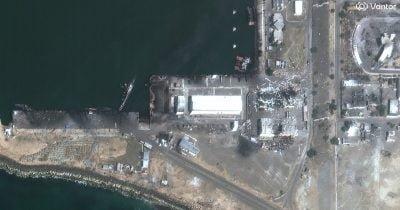
The recent attack on an Iranian Navy base in Konarak has had immediate and profound implications for cryptocurrency markets. Following these coordinated strikes in the Gulf of Oman, Bitcoin's price exhibited significant volatility, swinging between $63,000 and $67,000. This rapid change underscores the sensitivity of digital assets to geopolitical tensions.
Understanding the Impact of Escalated Tensions
Why does this matter to crypto investors? Geopolitical events can trigger unexpected market movements, which means that investors need to stay alert. The attack is described as part of Operation Epic Fury, and it has already resulted in the destruction of several Iranian naval assets. The reality of military conflict can translate into drastic market reactions, as witnessed by the almost 6% fluctuation within hours.
- Bitcoin dipped to about $63K before rebounding.
- Ethereum saw a 6% increase amidst Bitcoin's drop.
- Iranian crypto withdrawals surged by 700% following the attacks.
Furthermore, the Iranian crypto landscape has been notably reactive. The 700% spike in withdrawals points to a significant shift in how residents are using cryptocurrencies. As military infrastructure faces threats, converting assets into a decentralized and censorship-resistant form signals a movement toward safeguarding value rather than mere speculation. This has profound implications not only for regional players but also for the global crypto market.
Broader Crypto Market Implications
Iran has established itself as a key player in the Bitcoin mining sector due to its stable energy costs. However, ongoing military actions could disrupt this mining capacity, leading to fluctuations in the global hashrate. Any reduction in Iran's output could momentarily destabilize network dynamics and impact Bitcoin's market share.
Moreover, this uptick in Iranian cryptocurrency activity raises critical questions regarding sanctions enforcement by global powers. The U.S. Treasury has intensified its focus on crypto wallets linked to sanctioned countries. The rise in withdrawals suggests that Iranian users are moving assets into non-custodial solutions or converting them into stablecoins for easier international transfer, which may complicate efforts to monitor and sanction illicit activities effectively.
What to Watch Moving Forward
As military operations continue, investors should remain vigilant regarding both the implications on Bitcoin's hashrate and the evolving relations between crypto markets and sanctions. Future events will be crucial in determining whether this heightened activity will lead to further isolation of Iranian entities or whether it will foster a more vibrant, albeit risky, market environment for crypto.
This material is for informational purposes only and does not constitute financial advice.