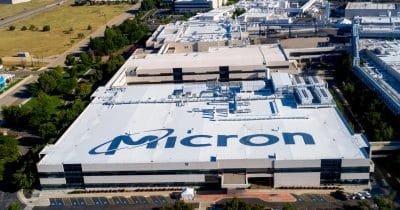
The recent surge in Micron Technology's stock raises critical questions regarding the concentration in the memory chip market and its broader implications for risk assets. With almost 90% of the Dynamic Random Access Memory (DRAM) market controlled by just three companies Samsung, SK Hynix, and Micron the narrative surrounding this oligopoly is increasingly becoming a focal point for investors across sectors, including cryptocurrency.
The Memory Chip Oligopoly
In 2026, Micron has witnessed approximately a 170% rise in its stock price, fueled by the escalating demand for high-bandwidth memory as part of the ongoing AI supercycle. Samsung currently commands around 38% of the DRAM market, while SK Hynix and Micron hold 29% and 22% respectively. This concentration has led some analysts to label this alliance as the 'OPEC of memory.' Such a monopoly can result in increased pricing power, raising potential costs for companies reliant on these chips.
Understanding the Implications
The memory chip segment's inflationary pressures could have significant ramifications in the tech industry and beyond. As crypto markets are often influenced by the performance of tech equities, the current alignment of memory stocks could see speculative investments in crypto being among the first to be divested during sector rotation. In this context, memory chips are not only vital for data centers but are also essential components in the broader cloud computing landscape.
Legal Risks and Geopolitical Tensions
Adding further complexity to the market dynamics, a class-action lawsuit alleging collusion and price-fixing against memory chip manufacturers was filed in June 2025. The potential outcomes of this legal battle could reshape investor sentiment, even if the lawsuit does not achieve a favorable verdict for plaintiffs. Internal communications from the discovery process may uncover practices that could significantly alter the public narrative regarding these dominant firms.
Moreover, geopolitical tensions, especially involving South Korea and Taiwan regions where Samsung and SK Hynix are headquartered could lead to unforeseen disruptions in the global supply chain for memory chips. Such instability could amplify the current inflationary pressures, which in turn would limit the ability of central banks to reduce interest rates. This is particularly relevant for both growth equities and the larger picture concerning Bitcoin's market sensitivity.
Key Takeaways for Investors
- Monitor the demand for memory chips, as AI workloads require exponentially more resources.
- Be aware of legal and geopolitical risks that could impact supply chains and pricing dynamics.
- Watch how the interplay between memory chip prices and overall tech market performance affects investment strategies within risk assets, including crypto.