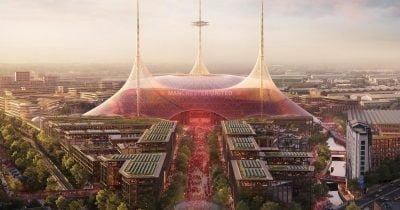
The recent announcement of Manchester United's £2 billion investment to construct a new 100,000-seat stadium marks a significant evolution in the intersection of sports, real estate, and digital engagement. Located just a stone's throw from the iconic Old Trafford, this project could not only redefine the club's infrastructure but also pose critical implications for the fan token economy and market dynamics.
Why This Development Matters
This stadium initiative is critical for multiple stakeholders, including devoted fans, investors, and the broader economy. The new venue promises to become the largest club football stadium globally, challenging the long-standing dominance of Barcelona's Camp Nou. This indicates a shift in how major sports entities leverage infrastructure for both monetary and fan engagement purposes.
- Cost: £2 billion for the new stadium.
- Seat Capacity: 100,000, dwarfs the current Old Trafford capacity of 74,000.
- Wider Regeneration Scheme: Projected £7.3 billion economic impact in Greater Manchester.
Moreover, maintaining the operational capacity of Old Trafford during the five-year construction period shows strategic foresight, ensuring minimal disruptions and consistent revenue streams from match-day activities.
Capitalizing on Digital Fan Engagement
Manchester United has been proactive in exploring digital avenues for engaging its vast fan base of over 1.1 billion followers. Previous NFT initiatives and the issuance of the Manchester United Fan Token ($MUFC) suggest a keen interest in integrating blockchain technologies into traditional sports frameworks. However, the latest stadium news notably omits any direct references to cryptocurrency or digital assets.
Interestingly, as we have observed in the context of Binance's recent changes to USDC reserves, there remains an air of regulatory caution surrounding the integration of cryptocurrencies in sports. With increasing scrutiny from EU regulators on fan tokens resembling securities, the landscape around Manchester United's digital strategies remains uncertain.
What Lies Ahead for Investors
As the project unfolds, the market will likely keep a keen eye on how it affects both the valuation of fan tokens and the lengths to which the monetization of fan engagement can evolve. While Chiliz and Socios aim to capitalize on blockchain’s merit through fan tokens, the ultimate utility and sustainability of these initiatives depend heavily on performance on the pitch and regulation clarity.
The intertwined fate of sports infrastructure and digital engagement signals a transformative phase for not just Manchester United, but also for investment paradigms in the sporting world. Will this landmark project inspire similar initiatives across other franchises, or will regulatory pressures stifle innovations in fan engagement?
Disclaimer: This material is for informational purposes only and does not constitute financial advice.