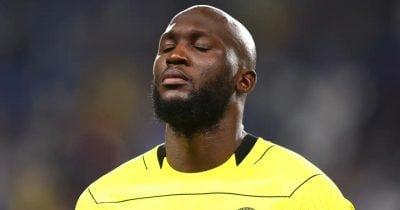
Romelu Lukaku's compelling journey leading into Belgium's World Cup quarterfinal against Spain epitomizes the resilience required of modern athletes. Not only has he battled physical injuries, with just 69 minutes logged at Napoli during the 2025-26 Serie A season, but he has also faced severe online harassment, which raises questions about the mental health impacts of public scrutiny.
With a tumultuous career traversing prestigious clubs like Chelsea, Everton, and Inter Milan, Lukaku has encountered the highest expectations intertwined with intense media scrutiny. However, the World Cup has allowed him to reinvent himself as a crucial game-changer for Belgium, contributing significant goals that propelled his team into the quarterfinals. This contrast between his limited club appearances and his exhilarating World Cup performance highlights not only his professional resilience but also the ongoing struggles athletes endure off the pitch.
As his team prepares for a daunting match against Spain, Lukaku's call for a ‘perfect game’ is more than just strategic; it reflects the immense pressure athletes face to meet fan expectations. This pressure is compounded by the troubling trend of online abuse that many players, including Lukaku, confront regularly. The rise of fan engagement tokens, like those from platforms such as Socios and Chiliz, has made this aspect of sports even more significant. As fans gain financial stakes in teams through these tokens, the line between support and condemnation can blur, amplifying the psychological toll on players.
The acceleration of digital harassment has implications not only for the athletes but also for the evolving digital sports economy. With the intertwined nature of financial incentives and player performances, the potential for toxic fan behavior increases. Ownership over fan tokens may foster a sense of entitlement, driving some individuals to lash out at underperforming players. In a landscape where an individual’s on-field performance can directly influence their financial well-being, the result can be detrimental.
As the digital sports economy grows, it's crucial for stakeholders to recognize these challenges. Developing blockchain-based identity and reputation systems could be a necessary step toward protecting athletes from harassment while strengthening the bond between fans and players. Finding a balance between fan engagement, financial stakes, and the mental health of athletes is paramount to ensure a sustainable and positive interaction in sports.
This material is informational and not financial advice.