U.S. stock markets have recently shown positive momentum, buoyed by a notable decrease in inflation and strong second-quarter earnings from major banks. The June 2026 Consumer Price Index (CPI) revealed a slight deceleration in inflation, which, coupled with solid financial results from institutions like JPMorgan Chase and Goldman Sachs, has lifted investor confidence.
Geopolitical Risks and Oil Prices
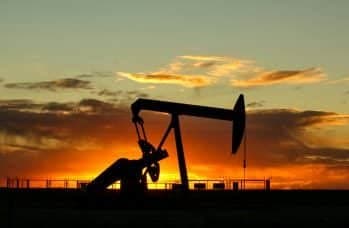
Simultaneously, tensions in the Middle East have intensified, particularly after the U.S. announced the end of its truce with Iran, resulting in renewed military strikes. This geopolitical upheaval has escalated concerns regarding the Strait of Hormuz, a vital conduit for global oil supplies. The oil market has reacted swiftly, with predictions for crude oil prices climbing as traders assess the heightened risks associated with potential supply disruptions.
Currently, the probability of crude oil reaching a new all-time high by year's end stands at 15%, particularly reflective of the dynamics in the December 31 sub-market. This uptick highlights the market's sensitivity to geopolitical developments and their direct implications for oil supply.
Market Sentiment and Future Outlook
Investor behavior suggests an increasing anticipation of market volatility, particularly in relation to U.S.-Iran relations. Participants are closely monitoring any developments that could impact oil prices, as well as forthcoming economic data releases and additional earnings reports from various sectors. The interplay between economic indicators and geopolitical tensions will likely remain a key factor in shaping market dynamics.
- Increased probability of crude oil hitting an all-time high due to geopolitical tensions.
- solid bank earnings and lower inflation contribute to a positive market sentiment.
- Ongoing monitoring of U.S.-Iran conflict is essential for predicting future market movements.
This material is informational and not financial advice.