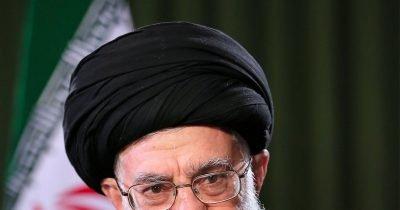
The recent funeral of Supreme Leader Ali Khamenei in Tehran has not only marked a significant moment in Iranian history but has also served as a catalyst for potential shifts in the political landscape of the country. The display of placards featuring red targets superimposed on the faces of prominent U.S. and Israeli figures indicates a deepening rift and escalating tensions, particularly following Khamenei’s assassination amid the ongoing U.S.-Israeli conflict with Iran.
This demonstration reflects heightened anti-American and anti-Israeli sentiments among mourners, suggesting a population that may feel increasingly emboldened to express their frustrations publicly. Such public displays of dissent are critical, as they serve as barometers of public sentiment within Iran and could signal a preceding wave of instability that may affect the regime's status.
Market Responses and Predictions
The immediate response from financial markets indicates a recalibration of expectations regarding Iran's political future. Analysts have interpreted the symbolic violence of displaying these targets as a sign of potential instability, thus raising the probability of regime change or a significant leadership transition. Prediction markets now suggest that participants believe there is an increased likelihood of leadership upheaval in Iran before the end of this year. Such changes could have far-reaching implications for regional stability.
Geopolitical Context
It is essential to consider the geopolitical context within which these developments are unfolding. With a ceasefire established in April 2026, the focus shifts from active conflict to the internal dynamics of Iranian society. This backdrop is critical as it influences market sentiment and projections about the likelihood of regime change. The current pricing in various prediction markets suggests that the combination of public dissent and geopolitical tensions is heightening concerns regarding the long-term viability of the Iranian government.
What to Monitor Going Forward
In light of these unfolding events, analysts and investors should monitor several key factors:
- Reactions from Iranian state media, which may reveal shifts in government sentiment or narratives.
- The behavior of influential figures such as Mojtaba Khamenei, who may play a pivotal role in any potential leadership transition.
- Any actions or statements from U.S. or Israeli officials that could further impact public opinion and market perceptions in Iran.
- Signs of mass protests or civil unrest, which could indicate further destabilization and the possibility of regime change.
Overall, the implications of the events surrounding Khamenei's funeral extend beyond immediate grievances, as they may herald a significant transformation in Iran's leadership structure, with potential consequences for regional and global markets as well.