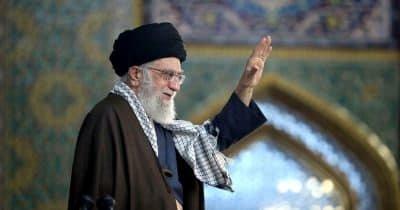
The recent funeral procession of former Supreme Leader Ali Khamenei crossing into Iraq is not merely a ceremonial event; it serves as a significant indicator of ongoing geopolitical tensions and potential shifts in the region’s power dynamics. The gathering of thousands in the holy cities of Najaf and Karbala, accompanied by a strong security presence from the Popular Mobilization Forces, underscores the gravity of this moment against the backdrop of the 2026 Iran war.
Why this Event Matters
This funeral procession stands as a testament to the solidarity between Iranian and Iraqi forces, which could redefine alliances and strategies across the Middle East. Such shows of force are vital in a region marked by instability, particularly following Khamenei’s assassination due to the U.S.-Israel military campaign. The implications are significant:
- Participation of 25,000 Popular Mobilization Forces ensuring security raises concerns over further regional militarization.
- Market predictions indicate a decrease in the perceived likelihood of the Iranian regime's collapse by the end of 2026, now at 7.5%, down from 10% a week prior.
- This funeral might serve as a rally point, strengthening ties among allied factions and complicating international military strategies.
As tensions rise, the procession is seen not only as a phase of mourning but as a pivotal moment in shaping reactions and power relations moving forward. With such a visible gathering, the display of unity may also signal to foreign powers the resilience of Iran's influence in Iraq and beyond.
What’s Next for Observers and Investors
Looking ahead, stakeholders should keep a close eye on various developments following this funeral. Key factors to watch include:
- Changes in ceasefire negotiations between Iraq, Iran, and U.S. forces, which could affect market perceptions and investor confidence.
- Potential defections within the Iranian Revolutionary Guard Corps (IRGC) that may indicate internal dissent amidst external pressures.
- Any military escalations or retaliatory actions stemming from perceived threats could further shift the balances of power in the region.
Overall, while this event is rooted in mourning, it encapsulates a period of critical geopolitical shifts that will influence market stability and regional alliances. An awareness of these dynamics will be essential for investors navigating the volatile landscapes of Middle Eastern affairs.
This material is for informational purposes only and is not financial advice.