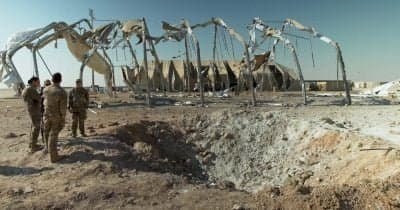
Iran has sharply ramped up missile and drone attacks on U.S. military bases and allied positions across the Persian Gulf, signaling a new phase of conflict intensity. This surge follows the breakdown of a ceasefire and the reinstatement of a blockade on the Strait of Hormuz by President Trump, a critical chokepoint for global oil shipments. The ongoing hostilities now extend over three consecutive weekends, with Iranian strikes targeting Jordan, Qatar, Kuwait, Oman, Bahrain, and Syria as part of a wider strategy to assert regional pressure.
Escalation and Strategic Implications
The increased frequency and geographic spread of Iran’s attacks shows Tehran’s intent to disrupt Gulf stability and use its control over the Strait of Hormuz. This narrow maritime corridor accounts for roughly 20% of global oil trade, meaning any sustained closure or disruption could sharply tighten energy markets worldwide. Market pricing reflects this elevated risk: the probability assigned to traffic normalization through the Strait by August 31 stands at just 12.5%, indicating broad skepticism among investors about a swift de-escalation.
Iran’s provocations serve multiple strategic purposes. They aim to deter Gulf Cooperation Council states from deeper cooperation with the U.S., weaken coalition resolve, and force diplomatic concessions. However, this aggressive posture also raises the potential for military retaliation, escalating the risk of a broader regional conflict. For global markets, the situation amplifies uncertainty in energy supply chains, which could trigger price volatility and hedge fund repositioning.
Market Reaction and Watchpoints
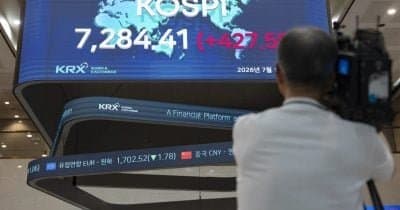
Investors and trading desks are closely monitoring signals that might foreshadow changes in the Strait’s status. This includes official statements from Iran’s leadership and real-time tracking of maritime traffic through the Strait. Any indication of a diplomatic breakthrough or peace framework between the U.S. and Iran would likely shift risk sentiment, potentially easing market tensions and stabilizing prices.
The geopolitical tensions in the Persian Gulf remain a critical factor for energy markets, with reverberations potentially influencing inflation expectations and asset allocations globally. This conflict’s evolution will be a key input for macro traders and energy-focused investors alike, making it essential to stay alert to developments. For a deeper look at how geopolitical risks impact portfolio strategies, see how pandemic-driven inflation upended traditional portfolio hedging.
This content is for informational purposes only and does not constitute financial advice.