The ongoing military actions against Iran and the resulting accusations directed towards NATO present significant strategic implications. Recently, Iran's Foreign Ministry spokesperson Esmaeil Baqaei publicly accused NATO of complicity with the US military campaign, marking a pivotal moment in diplomatic relations and regional stability.
Understanding the Importance of the Accusation
This development is not just about military actions; it encapsulates legal and diplomatic ramifications that stretch far beyond Iran's borders. By calling out NATO members for their alleged involvement, Iran is navigating a complex international law landscape that could reshape geopolitical interactions.
- Over 3,400 recorded deaths in Iran due to the ongoing conflict
- Significant damage to oil infrastructure and civilian sites
- Approximately 20% of global oil supply transits the Strait of Hormuz
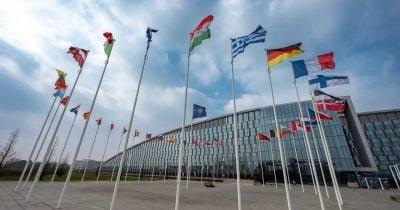
Baqaei's remarks came in response to NATO Secretary General Mark Rutte's acknowledgment of support provided by alliance members to US operations. This admission enables Tehran to claim that those nations share liability for the consequences of military strikes, thereby complicating NATO's unified stance in the region.
Potential Consequences for Global Dynamics
The implications of rapid military escalation are profound, especially considering the strategic importance of the Strait of Hormuz. Continued strikes against Iranian installations signal that this is not a transient exchange but a sustained military campaign. If Iran opts to engage formally with international bodies like the UN Security Council or the International Court of Justice, it could expose fissures within NATO's cohesion, which tend to be obscured in bilateral dialogues.
Silence or pushback from NATO members regarding these allegations will be closely scrutinized, as each response carries distinct diplomatic weight. This could either solidify or unravel the alliance’s collective identity in the face of external aggression.
What Lies Ahead: Key Factors for Observation
The unfolding situation necessitates vigilance among global investors and policymakers. Stakeholders should monitor not only Iran’s actions but also NATO’s response in the coming weeks. Key questions include:
- Will NATO take a unified stance against Iran's allegations?
- How will this affect the stability and price of oil, given the strategic significance of the region?
- Are there plans for formal complaints to international institutions that may accentuate tensions?
In summary, the ongoing conflict manifests significant risks for both regional and global stability. Investors should brace for potential disruptions in oil markets and geopolitical alliances that could ensue as this narrative develops.
This material is for informational purposes only and is not financial advice.