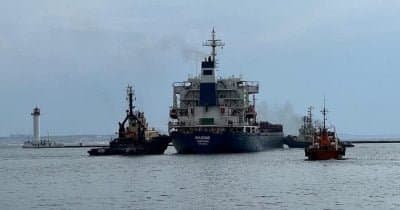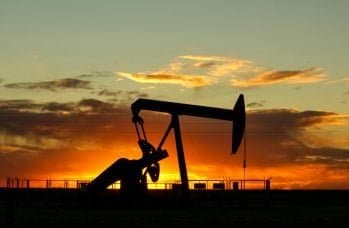
US oil prices climbed above $85 per barrel on July 22, marking the highest level since June 12. The trigger behind this surge is the escalating conflict involving Iran, which has intensified fears of disruptions in oil supply routes, especially through the critical Strait of Hormuz. This narrow waterway handles a significant share of the world's crude exports, making any instability there a direct threat to global energy markets.
Geopolitical Risks Outweigh Demand Factors
The current price jump does not stem from an increase in oil consumption or a fundamental shift in supply-demand dynamics. Instead, it reflects a geopolitical risk premium priced in by traders reacting to the heightened tensions. For several weeks prior, the US benchmark crude (WTI) oscillated between $72 and $80 per barrel amid ongoing market volatility. The recent spike signals growing market anxiety about potential supply interruptions should the conflict worsen.
Market observers are closely watching developments around the Strait of Hormuz, given its strategic importance. Any escalation there could severely constrain oil shipments, pushing prices even higher. Industry groups such as OPEC and the International Energy Agency (IEA) are expected to monitor and report on supply risks, influencing market sentiment further. For investors, this environment suggests increased volatility with the possibility of prices testing new highs, driven more by geopolitical factors than by changes in consumption.
To put the current move in perspective, the jump above $85 represents an approximate 6% increase from the recent trading ceiling near $80, underscoring how rapidly geopolitical events can shift market dynamics. This scenario echoes past episodes where Middle East tensions triggered price spikes, reinforcing the sensitivity of energy markets to regional instability.
This material is informational and does not constitute financial advice.