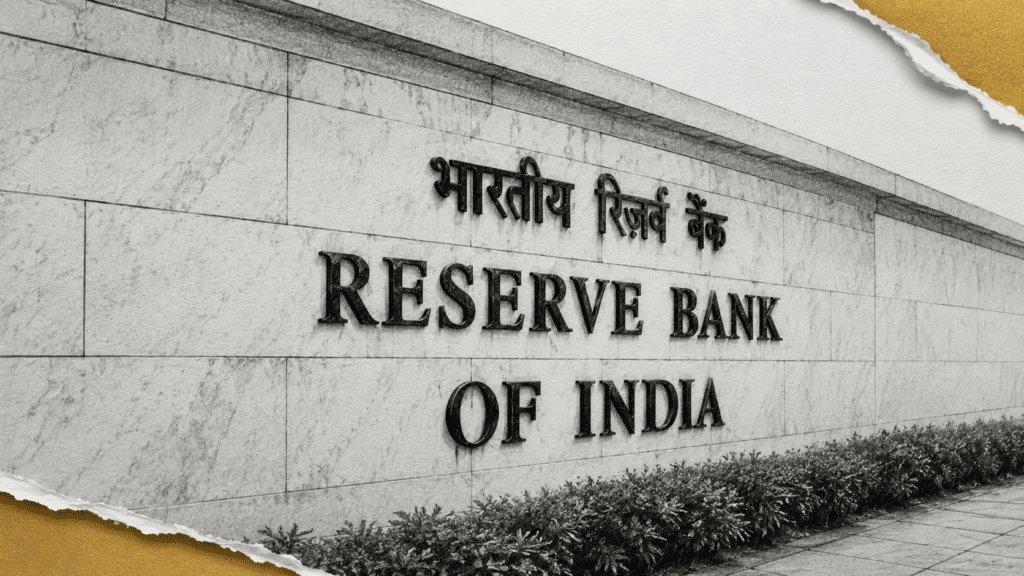
The Reserve Bank of India (RBI) has reiterated its position against allowing banks and financial institutions exposure to cryptocurrency and privately issued stablecoins. This stance, documented in internal government communications and reported by Reuters, indicates a potential shift towards prohibition, even in the absence of formal policy changes. The implications of these developments could be significant not only for the Indian economy but also for the broader cryptocurrency landscape.
Understanding the Stakes for India's Financial Ecosystem
This renewed push by the RBI stems from concerns about monetary sovereignty and financial stability in an increasingly globalized digital asset environment. The central bank has expressed worries that foreign-currency-backed stablecoins could undermine India's control over its monetary system. Moreover, rupee-backed tokens could negatively impact government revenue generated through currency issuance, especially during periods of market volatility.
- Approximately 39 million crypto traders operate in India, holding around $2.1 billion in digital assets.
- The RBI expressed concerns that stablecoins complicate the taxation of crypto gains.
- India's tax department taxes crypto gains at 30%, yet less than a quarter of those involved in crypto transactions reported these gains.
These factors indicate that the RBI's actions may effectively serve as a deterrent against broader adoption of cryptocurrency within the regulated financial system. The bank's effort to limit exposure could keep domestic financial institutions on the sidelines as other nations move toward regulation rather than prohibition, as seen in the latest developments in the U.S., Japan, and Singapore.
Future Directions: What Comes Next?
As market dynamics evolve, it remains critical for investors and stakeholders in the crypto space to monitor India’s regulatory landscape. The ongoing discussions around cryptocurrency regulations highlight a stark contrast with other major economies that are more open to integrating these new asset classes. Furthermore, the potential implementation of stricter measures poses challenges for tax compliance given that many traders operate in a legal grey area since the Supreme Court nullified a previous RBI ban in 2018.
Looking ahead, possible implications could include increased scrutiny of crypto exchanges and transactions within India. Additionally, with many traders not fulfilling tax obligations, the government may find it necessary to enforce compliance measures that impact the overall behavior of the crypto community.
This article is for informational purposes only and does not constitute financial advice.