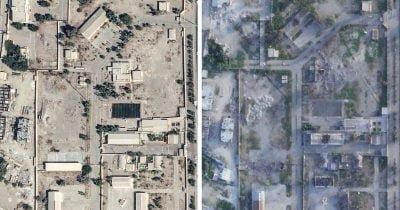
The recent escalation in military actions involving the US, Israel, and Iran has significant implications for the cryptocurrency market, particularly for Bitcoin. As geopolitical tensions rise, the market's reaction reveals how investors are navigating these complexities.
Why This Situation Matters
Geopolitical events have historically had a pronounced impact on financial markets, and the ongoing conflict in the Middle East is no exception. The US's advance notice to Israel about military strikes on Iran underscores a pattern of collaboration that has intensified over the past year. This signals that such military actions are likely to continue, potentially destabilizing not just regional, but global markets.
- Operation Epic Fury: Nearly 900 combined airstrikes in February 2026.
- July 7 retaliatory strikes targeted over 80 locations in southern Iran.
- More than 20% of global oil traffic navigates the Strait of Hormuz.
The juxtaposition of military escalation with cryptocurrency market response is critical for investors to understand. The crypto market's relative indifference to the latest strikes could suggest a few different scenarios. Either traders have already priced in a prolonged regional conflict, or they are becoming desensitized to such events.
The Broader Economic Context
Investor sentiment in cryptocurrencies like Bitcoin is often tied to macroeconomic trends, with oil prices playing a crucial role. Disruptions to oil shipments through the Strait of Hormuz could lead to sharply increased energy prices, fostering inflationary pressures that would affect central bank decisions globally. The February sell-off of Bitcoin, which saw a 3% drop in response to military actions, illustrates how external shocks can ripple through risk-sensitive assets, including equities and other cryptocurrencies.
This latest incident solidifies the relationship between traditional asset movements and cryptocurrencies, further emphasizing the importance for crypto investors to watch oil prices closely. Should Brent crude prices rise dramatically, this could serve as an early indicator of increased risk for crypto assets.
What’s Next in This Evolving Landscape
As military coordination between the US and Israel appears to remain strategic and ongoing, it opens the door to further market volatility. Investors should monitor oil prices cautiously for any signs of escalation, as these movements could influence risk sentiment across the market.
Additionally, stablecoin behavior during such times could reveal whether traders are moving to secure assets in response to geopolitical shocks. The interconnected dynamics between energy markets and cryptocurrencies are poised to evolve as these situations develop.
This material is for informational purposes only and should not be considered financial advice.