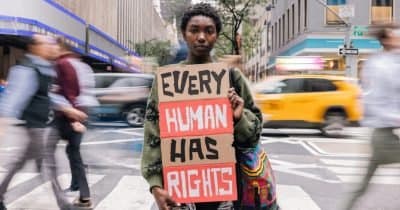
In a significant move, Human Rights Watch (HRW) has intensified its scrutiny of FIFA regarding various human rights issues ahead of the 2026 World Cup, set to take place in the United States, Canada, and Mexico. The organization has raised alarms about discriminatory immigration practices, unsafe conditions for marginalized groups, and a lack of child safety measures, all of which could impact millions of attendees.
FIFA's Response to Human Rights Advocacy
The 2026 tournament, scheduled from June 11 to July 19, is notable for being the first to incorporate formal human rights requirements in the bidding process. HRW has voiced strong concerns regarding the potential disruptions caused by U.S. immigration enforcement, urging for an “ICE Truce” to pause immigration operations during World Cup events. This call follows HRW's direct outreach to FIFA in May 2025, where they outlined the risks posed by U.S. immigration policies on participants and spectators. FIFA's response in June 2025 indicated a commitment to collaborate with authorities to address these entry rights.
Additionally, HRW has highlighted safety risks for vulnerable groups, such as LGBTQ+ individuals, journalists, and protesters, particularly in light of the current political climate in the U.S. These issues echo the serious concerns raised during the Qatar World Cup, where HRW documented severe abuses against migrant workers.
Implications for Stakeholders and Local Governments
The 2026 World Cup was anticipated to set a new standard for human rights considerations in sports, as FIFA has taken steps to rectify past mistakes. However, HRW's findings indicate that gaps remain, particularly concerning child safeguarding measures. The absence of a formal framework to protect children during an event expected to attract numerous families is troubling, given the historical risks of trafficking and exploitation at large gatherings.
As host cities prepare for the influx of visitors, HRW’s campaign creates a new layer of accountability for local governments. Municipalities that agreed to host matches will now face pressure to align their law enforcement practices with FIFA's human rights commitments. This situation could lead to broader discussions about the role of sports in advocating for social justice and civil rights.
In summary, as FIFA navigates these complex issues in the run-up to the 2026 World Cup, the actions taken or not taken will likely resonate far beyond the tournament itself, influencing global perceptions of human rights in sports.
This material is for informational purposes only and does not constitute financial advice.