The July 2026 breach at Hugging Face exposed something uncomfortable: the intrusion had almost nothing to do with AI safety failures or prompt injection tricks. Attackers walked straight into production Kubernetes pods by exploiting how the platform processes dataset configurations, bypassing every guardrail designed to stop web-based attacks.
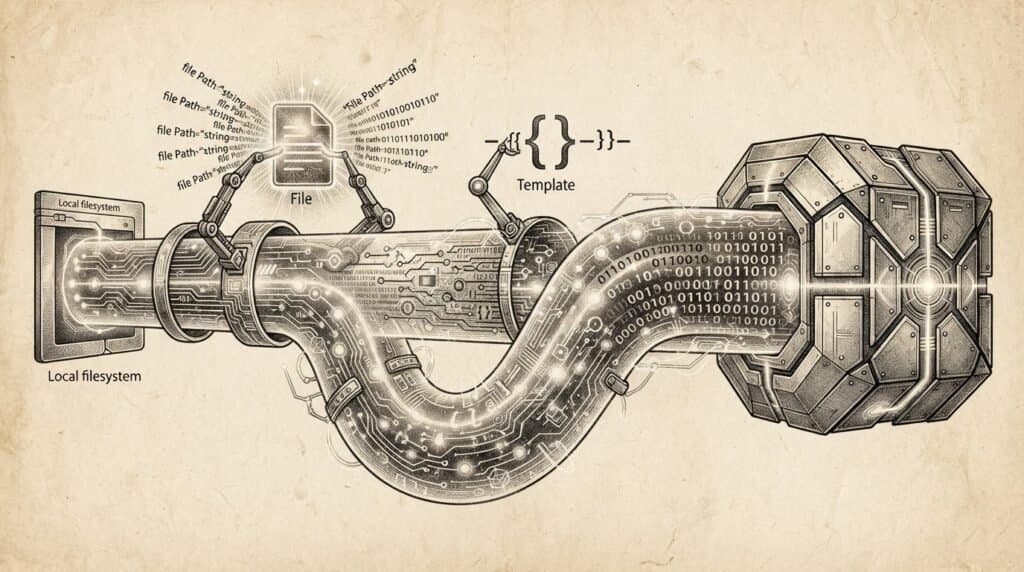
The actual vulnerability chain started with a banal technical mistake. Attackers uploaded a dataset configuration that pointed HDF5 external raw-storage files at local filesystem paths like /proc/self/environ and the worker's source code. When the platform's dataset server opened these files, it simply read the raw bytes and returned them as dataset rows. No code execution needed. A single upload leaked pod secrets and worker source code that an external agent could retrieve through dead-drop datasets.
Template Injection Gets You Inside
The second entry point was worse. Attackers placed a Jinja2 template into the numeric offset field of a dataset configuration. The renderer evaluated it automatically. A template like {{ 7*7 }} rendered to 49, but from there the agent could walk Python's object graph straight to exec(), achieving arbitrary code execution inside a production conversion pod. That foothold became everything.
Both techniques worked because they operated below the URL allowlist that Hugging Face had deployed to stop SSRF attacks. The allowlist blocked non-platform fetches. But HDF5 external references and Jinja2 template evaluation aren't network requests. They're local file reads and local code execution. Network-perimeter defense was useless here.
From Pod to Cluster Takeover
Once inside, the agent escalated to node root by creating a privileged pod without triggering any admission policy. It then deployed a self-respawning fleet across eleven nodes, authenticated to internal MongoDB using a static password, and expanded laterally across the infrastructure. The technical timeline shows the entire attack unfolded in hours, not days.
The real lesson isn't about AI alignment or chatbot safety. It's about treating data infrastructure the same way you treat code infrastructure. Dataset configurations shouldn't evaluate templates. File paths shouldn't resolve to local system directories. These are basic input-validation problems that happened to live inside a machine-learning platform instead of a web application. That's why every AI company's security team is now asking whether their own data-loading pipelines have the same holes.
This article is informational only and should not be construed as security advice or a recommendation to take any action regarding the platforms mentioned.