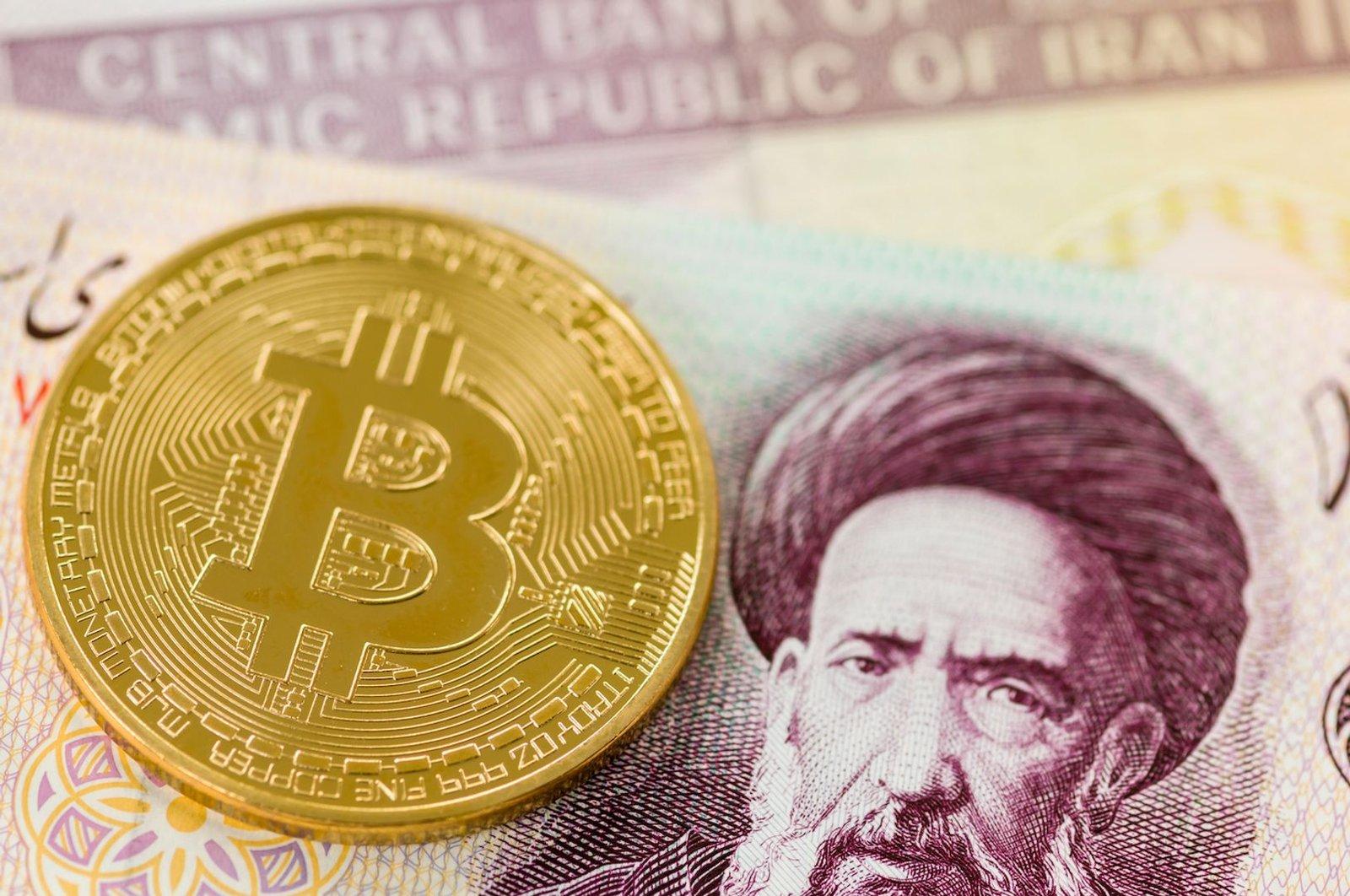
The crypto market is displaying an intriguing resilience, particularly Bitcoin, which has remained above $62,000, even as tensions between the U.S. and Iran escalate. This scenario presents a significant departure from historical patterns where geopolitical shocks traditionally resulted in heightened volatility for cryptocurrencies. Bitcoin's behavior amidst rising oil prices and a decline in gold values indicates a potential shift in how investors perceive the asset class.
Why This Matters Now
The ongoing dynamics in the Middle East and their impact on global commodities are critical for crypto traders. Bitcoin is now seen as less of a safe haven in times of turmoil and more as a rates-sensitive asset that reacts differently compared to traditional commodities.
- Bitcoin currently trades at $62,009, up 1.6% for the week
- Brent crude increased by 1% to $78.80 per barrel
- Gold has fallen for four consecutive days, reaching around $4,060 per ounce
- Money markets have shifted expectations for a Fed interest rate increase to October
As investors grapple with the ongoing geopolitical climate, they appear to be redefining their strategies and risk assessments, often favoring Bitcoin over traditional hedges like gold.
Market Reactions and Future Implications
Interestingly, Bitcoin has shown minimal movement despite an oil shock, a bond selloff, and fears of higher interest rates which typically pressure non-yielding assets. The cryptocurrency's relative stability suggests that the market may no longer view Middle East risks as severe for Bitcoin, instead aligning its response more closely with U.S. Treasury yields.
Sentiment readings, such as the Fear and Greed index, have improved, rising to 27, signaling a shift away from extreme fear, which previously dominated the market for over a month. This shift could indicate growing investor confidence in Bitcoin as a viable asset during uncertain times, and a potential rotation away from gold.
What's Next for Investors?
Looking ahead, market participants should remain vigilant regarding further developments in U.S.-Iran relations, as additional escalations could affect oil prices and in turn impact inflation expectations. Key levels to watch include the support level around $60,000 for Bitcoin, which could dictate market sentiment in these volatile conditions. Investors should consider how shifting economic indicators, central bank policies, and geopolitical developments may influence asset allocations in the coming months.
This material is for informational purposes only and is not financial advice.