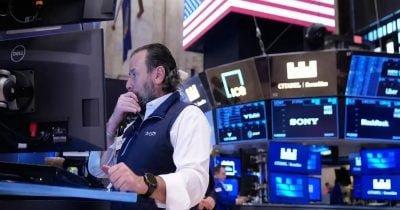
The recent drop in the Dow Jones Industrial Average, coupled with modest gains in the Nasdaq, highlights the intricate relationship between geopolitical developments and financial markets. On July 8, 2026, President Trump's comments on the US-Iran ceasefire sent shockwaves through the markets, revealing investor anxiety about stability in critical regions affecting oil supply. The Dow fell sharply, reflecting immediate concerns, while the Nasdaq managed to hold steady, indicating a divergence in sector performance amidst rising tensions.
Why This News Matters for Investors
The state of geopolitical relations, particularly concerning the Strait of Hormuz, has far-reaching implications for global markets. This key waterway plays a vital role in the transportation of oil, and any signs of instability can trigger fluctuations in oil prices, impacting various asset classes. When the market perceived the ceasefire as solid, it rallied; once doubts emerged, as indicated by Trump's remarks, the Dow quickly recalibrated.
- The Dow fell significantly on July 8, 2026.
- The Nasdaq managed modest gains in contrast.
- $1 billion in leveraged crypto positions were liquidated during earlier market tensions in 2026.
This oscillation between optimism and fear has characterized 2026, where military actions and subsequent ceasefire announcements influenced market dynamics in a cyclical manner. Investors clearly responded to these geopolitical cues, and such an environment raises questions about the market's response to future developments.
Repercussions for the Crypto Sector
The cryptocurrency market has also felt the impact of geopolitical shifts. Bitcoin, often seen as a potential safe-haven asset, has experienced significant price volatility, fluctuating between $70,000 and $73,000. During rallying periods, like those linked to ceasefire announcements, altcoins such as Ethereum and Solana also enjoyed gains. Conversely, escalations led to severe sell-offs in crypto markets, including a notable $1 billion liquidation of leveraged positions.
This duality presents a complex scenario for crypto investors. On one hand, Bitcoin's potential to attract capital during traditional market instability is a positive sign. On the other hand, it is essential for investors to recognize the risks of forced selling during periods of heightened fear, aligning their strategies accordingly.
Future Considerations for Market Participants
Looking ahead, investors should closely monitor geopolitical developments, particularly those related to US-Iran relations and any ensuing military or diplomatic actions. The potential for further volatility in both equity and crypto markets remains high. The upcoming months could bring additional fluctuations depending on how well the markets absorb external shocks. Investors would do well to stay agile and informed, recognizing that today's events are part of a larger narrative affecting global finance.
This material is for informational purposes only and should not be considered as financial advice.