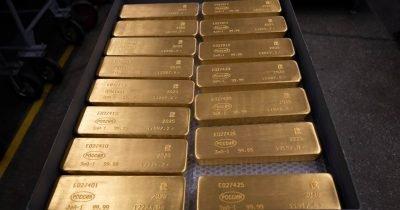
Recent fluctuations in gold prices highlight the market's sensitivity to geopolitical events and forthcoming monetary policy indicators. As U.S. military actions against Iran escalate, the gold market has reacted accordingly, reflecting investor concerns over global stability and inflation risks.
Understanding the Stakes: Why This Matters
The current situation in the Middle East, particularly the disruptions through the Strait of Hormuz, directly influences energy prices and inflation expectations, compelling investors to seek safe-haven assets like gold. The price of gold has stabilized around $4,155 per ounce after a brief dip to $4,016.92, indicating the market's volatile reaction to geopolitical uncertainties. Investors are acutely aware that:
- The probability of a 25-basis-point rate hike by the Federal Reserve at the July 29 meeting stands at 33%.
- The release of the June FOMC minutes is expected to shed light on new Fed Chair Kevin Warsh's policy direction.
- Brent crude prices have surged above $72 per barrel, fueling inflation concerns among investors.
This complex interplay between military actions and monetary policy underscores the intricate relationship between external shocks and economic indicators.
Looking Ahead: Monitoring Key Indicators
As investors prepare for the Federal Reserve's upcoming minutes, they will be seeking clarity on the central bank's approach to inflation and interest rates. Any potential escalation of tensions in the Middle East could further drive up safe-haven demand for gold, impacting price predictions significantly. Additionally, important data releases related to U.S. inflation and comments from significant Federal Reserve figures will be critical in shaping market expectations.
This material is for informational purposes only and should not be considered financial advice.