Recent fuel shortages in Russia are putting significant strain on military operations, raising pivotal questions about the Kremlin's strategies in the ongoing conflict in Ukraine. This logistical dilemma stems primarily from targeted attacks on Russian oil infrastructure by Ukrainian forces, affecting a substantial portion of the country.
Understanding the Implications of Fuel Shortages
The current situation in Russia reveals that fuel shortages are not merely an operational hiccup, but a critical challenge that could redefine military strategies and political negotiations in the region. These shortages are impacting fuel supply in at least 78 of Russia's 83 regions, with Crimea already declared a state of emergency. Such widespread crisis can strain military logistics, ultimately forcing leaders to reassess their strategic options.
- Fuel shortages affecting 78 out of 83 regions in Russia.
- Current market conditions suggest a 39.5% likelihood of a ceasefire agreement by the end of 2026.
- Crimea is reported to be in a state of emergency.
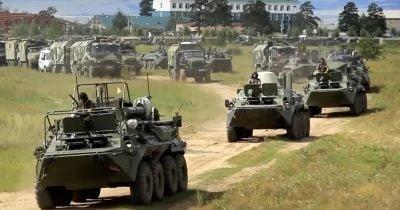
Despite these challenges, Russian forces continue their offensive strategies, which indicates that the Kremlin is not yet prepared to shift towards negotiations. This resistance may contribute to escalating tensions, making the prospect of peace negotiations less likely in the immediate term.
Future Steps to Monitor
It will be essential for analysts and investors alike to keep a close watch on statements from significant political figures such as Vladimir Putin and Volodymyr Zelensky. Any change in their rhetoric could indicate a shift towards negotiations. Furthermore, ongoing disruptions in Russian logistical capabilities may compel the Kremlin to revisit its strategic stance. Updates on international mediation efforts, particularly those involving the U.S., could serve as critical indicators of the potential for a ceasefire, as they would reflect broader geopolitical dynamics.
This material is for informational purposes only and does not constitute financial advice.