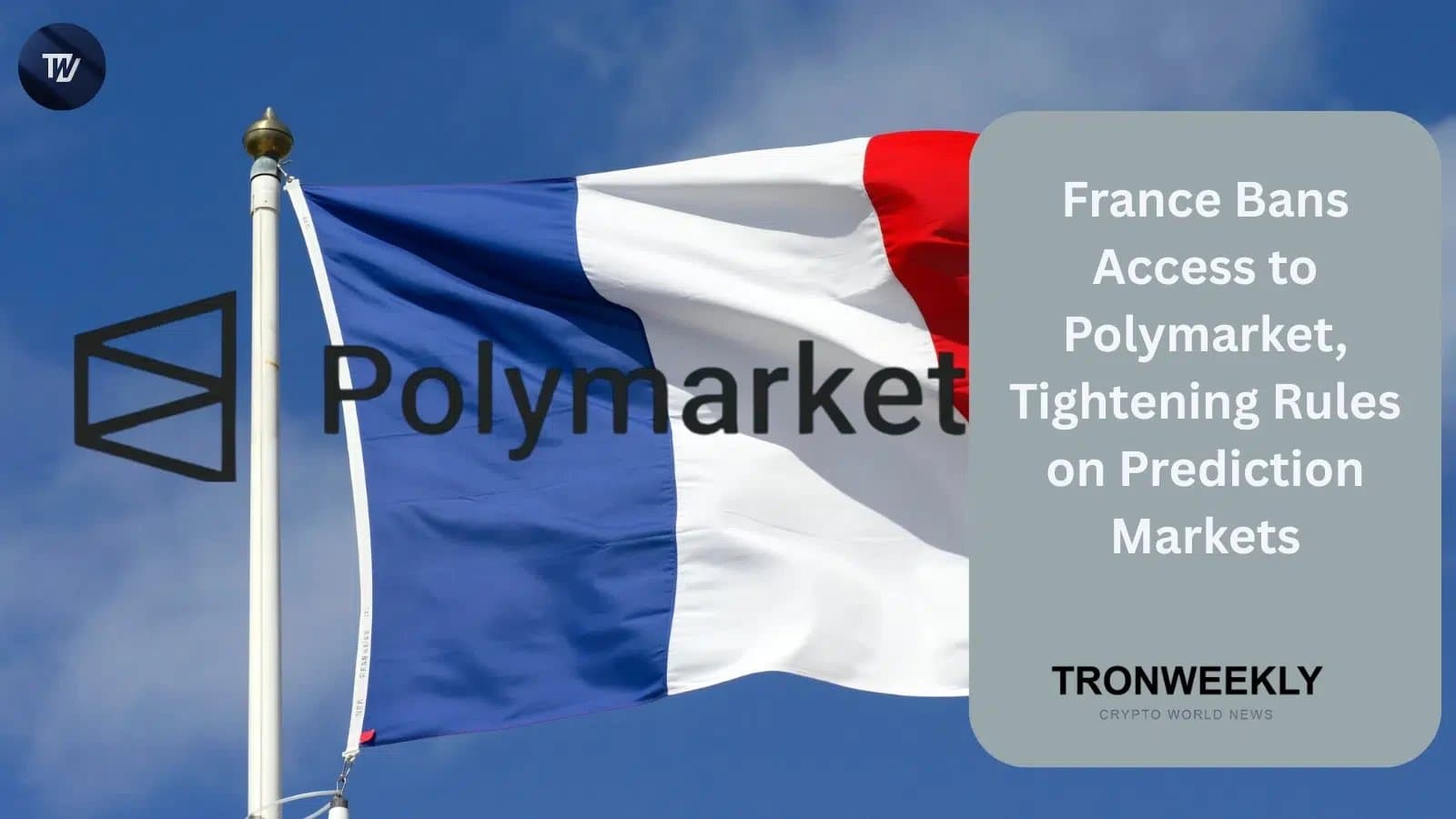
On July 16, France's National Gambling Authority (ANJ) directed internet providers to block access to Polymarket, an online prediction market platform. This action targets unauthorized gambling activities and aims to mitigate the significant financial risk reported among users. The watchdog emphasized that the block will persist until the platform aligns with French gambling regulations.
This development intensifies France's ongoing regulatory stance; financial transactions to Polymarket were already prohibited as of November 2024. Despite previous measures, French visits to Polymarket swelled to nearly 579,000 last month, highlighting persistent user demand and regulatory challenges.
Manipulation Risks and Regulatory Trends
French authorities have expressly warned about the susceptibility of certain prediction contracts to manipulation. For instance, weather-related bets become vulnerable when insiders exploit confidential data a risk underscored by a hacking incident involving Météo-France that coincided with trades on Polymarket this year. These concerns echo regulatory apprehensions in the US, where investigations target misuse of privileged information in similar markets.
The French move aligns with a broader European surge in controls over prediction markets, which now span beyond sports to sensitive areas such as elections and geopolitics. Countries like Spain, Germany, and Italy have adopted various restrictions, while the US Commodity Futures Trading Commission introduced new rules in June. Polymarket’s rapid growth, with annual revenues surpassing $1 billion, illustrates how lucrative and fast-evolving these markets are despite regulatory headwinds.
France’s insistence on compliance or legal authorization before allowing Polymarket’s operation is likely to prompt other jurisdictions to reconsider their regulatory frameworks. The persistence of high user activity on blocked platforms demonstrates the growing tension between innovation in decentralized markets and traditional regulatory models.
This article provides information and does not constitute financial advice.