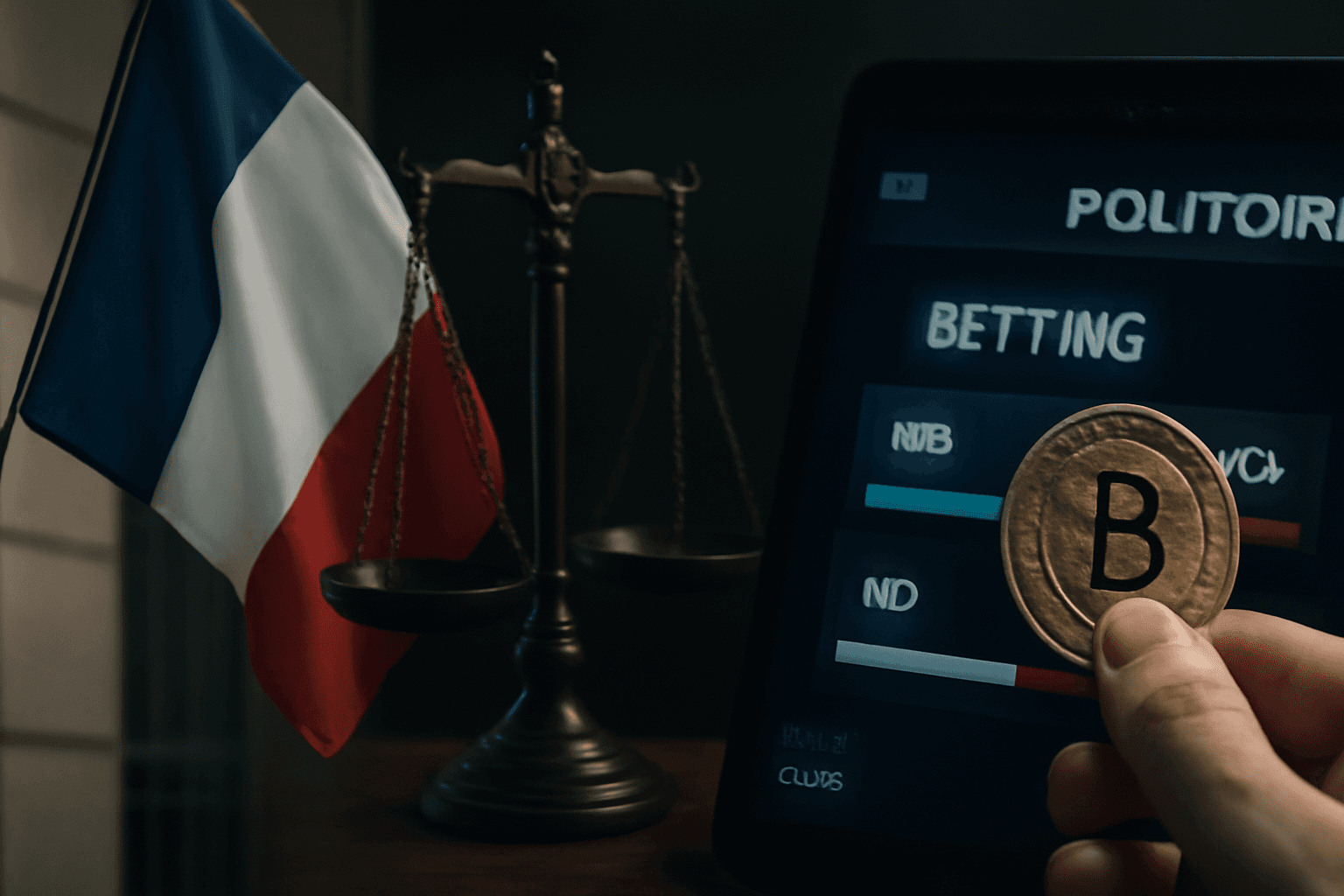
French authorities have blocked access to Polymarket's website, directly targeting the crypto-based prediction platform amid regulatory concerns.
The move comes from the Autorité Nationale des Jeux (ANJ), France’s gambling regulator, which classified Polymarket's operations as promoting an illegal money-gaming offer rather than a financial service.
This distinction places Polymarket under French gambling laws, triggering a deliberate enforcement action rather than a mere technical blockade or temporary downtime.
Unlike a general crackdown on prediction markets, this action singles out Polymarket, indicating heightened scrutiny on platforms operating in the ambiguous intersection of crypto and gambling.
For French users, the immediate effect is a local site block, restricting participation without shutting down Polymarket’s global services.
Such targeted restrictions tend to dampen liquidity and user engagement within the restricted jurisdiction, reducing market depth and potentially influencing global volumes for event-driven betting.
This development echoes previous moves in Europe, for example, when Ukraine banned Polymarket over gambling concerns, signifying that European regulators are applying gambling regulations to crypto prediction markets more aggressively.
Despite limited public details on penalties or negotiations, the ANJ’s choice to frame Polymarket as an unauthorized gambling operator signals regulators’ intent to assert control over emerging crypto betting products that blur lines with traditional financial offerings. This could foreshadow similar actions in other jurisdictions with strict gambling laws.
Investors and users should anticipate increased regulatory friction around crypto prediction platforms, as authorities grapple with classification challenges between financial instruments and gambling services.
Market participants must monitor how evolving legal interpretations affect accessibility and compliance costs for crypto betting platforms, which may shape user adoption and operational strategies.
This article is informational and not financial advice.