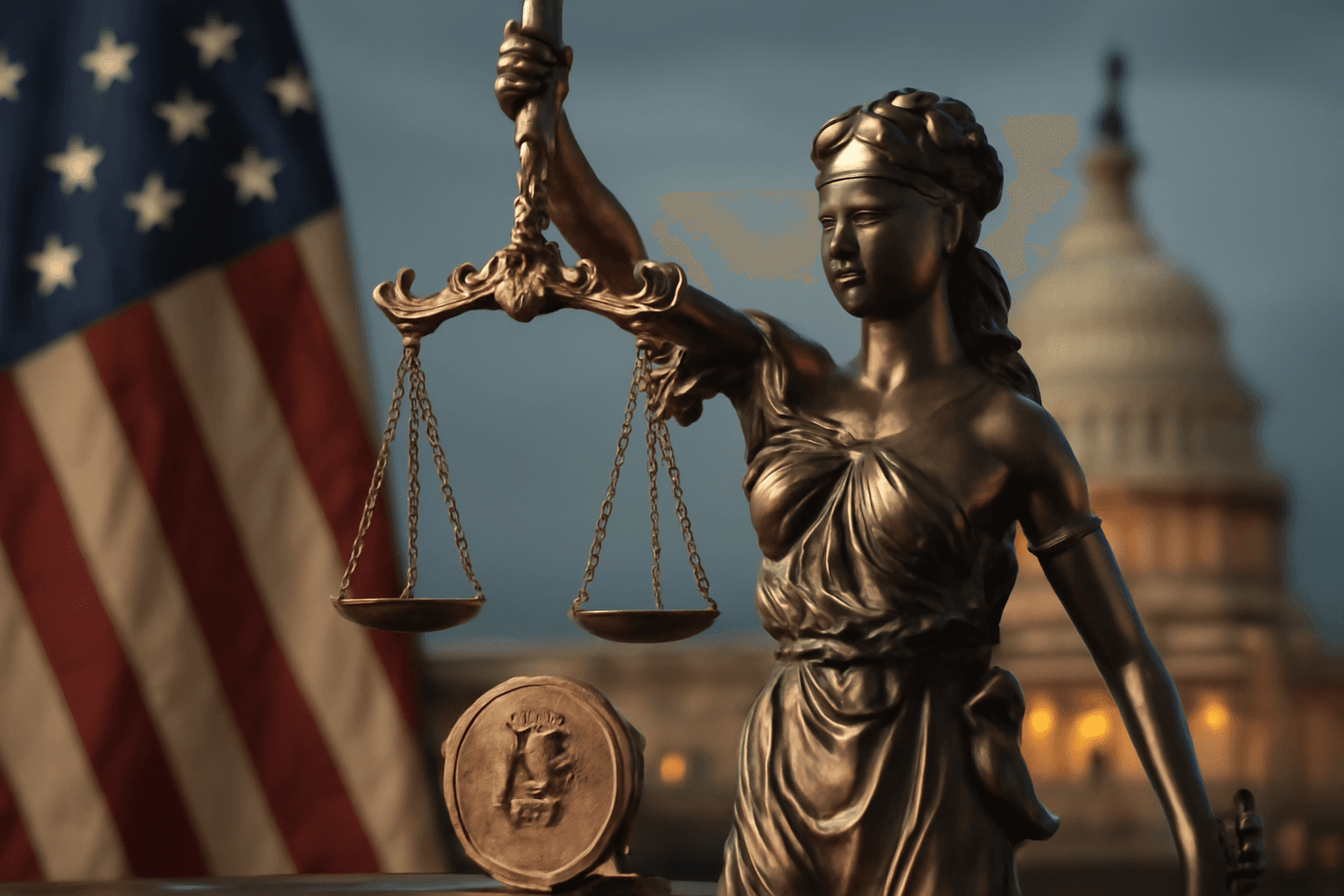
Demis Hassabis, the CEO of Google DeepMind, has called for the establishment of a dedicated regulatory body for artificial intelligence in the United States, akin to FINRA, which supervises Wall Street brokers. This proposal comes on the heels of an increasing consensus within the AI community that the rapidly advancing technology poses significant risks, particularly in areas such as biosecurity and cybersecurity.
In his manifesto released on July 14, Hassabis outlined a roadmap for this regulatory body to be operational by the end of the year. The core function of this watchdog would be to evaluate and potentially halt the release of advanced AI models if they present imminent dangers. He emphasizes that the need for systematic oversight is no longer a matter of debate but an essential measure for public safety.
The implications of establishing such a regulatory framework could be profound. If successful, it could set a precedent for how other nations approach AI governance. Explaining his vision, Hassabis proposed that AI labs voluntarily submit their models for testing up to 30 days prior to release, ensuring that their capabilities, particularly in deception and dangerous applications, are thoroughly examined. This kind of proactive evaluation would be crucial in a sector marked by rapid innovation.
Hassabis further envisions that this body would be composed of independent experts, likely including Turing Award winners and seasoned researchers, which could enhance the credibility and effectiveness of the regulations imposed. The establishment of strict standards for 'frontier' AI systems could elevate the prestige associated with developing compliant technologies, much like how financial institutions strive for regulatory approval to enhance their market standing.
However, the proposal has also generated discussions around the balance between innovation and regulation. AI is an area where rapid advancement is often at odds with regulatory processes, potentially stifling growth. Still, with threats identified, such as biological and nuclear risks emerging within the next 18 months, the urgency for action may outweigh concerns about slowing progress.
The conversation around AI safety is increasingly relevant, especially as we see growing investments in this sector. With more than 2,000 institutions now holding Bitcoin through spot ETFs and the rise of decentralized technologies, the space of technological governance will need to evolve concurrently. As the AI boom continues, stakeholders across industries should pay close attention to how these regulatory developments could reshape their operational paradigms.
This article is for informational purposes only and should not be considered financial advice.