ChangXin Memory Technologies (CXMT) is ambitiously attempting to reshape the competitive landscape of the memory chip industry. By focusing on building a vertically integrated supply chain, the Chinese company is setting its sights on challenging the dominance of global leaders such as Samsung, SK Hynix, and Micron in the dynamic DRAM sector. This strategic move is not merely an expansion plan; it holds broader implications for the semiconductor market and, by extension, technology investors.
The Significance of CXMT's Strategy
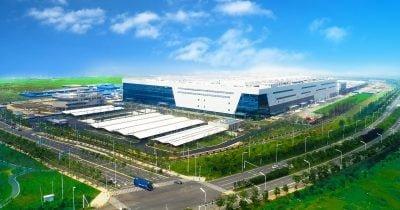
CXMT's efforts to construct a full supply chain represent a pivotal shift in the competitive dynamics of semiconductor manufacturing. With a long-term DRAM supply agreement worth 20 billion yuan (approximately $3 billion) secured with the tech giant Tencent, CXMT is positioning itself as a formidable player. The company currently captures an estimated 4% to 11% share of the global DRAM market and is poised to double its production capacity through new facilities in Shanghai.
- $4.2 billion IPO on Shanghai’s STAR Market
- 37.8% gross margin, closely trailing Micron and Samsung
- Current production capacity of about 300,000 wafers per month
The ramifications of CXMT's rise extend beyond just manufacturing capacity. The company is making strides in developing advanced products like DDR5 and high-bandwidth memory (HBM), tapping into the lucrative markets associated with AI technologies. Notably, products powered by this type of memory, such as Nvidia’s GPUs, have witnessed surging demand. CXMT's ambitions in the HBM sector suggest a strategic intent to capitalize on trends adjacent to artificial intelligence revenue streams.
Potential Consequences for the Industry
The emergence of CXMT may catalyze a more competitive pricing environment among DRAM manufacturers, which, in turn, could exert pressure on profit margins in an already volatile market. Past experiences in semiconductor segments, notably with NAND flash where competitors like YMTC introduced similar pricing strategies, underline the potential impact of new entrants in the industry. Therefore, for investors currently holding stakes in established DRAM giants, the increasing competition may prompt a reassessment of portfolio strategies as selling prices begin to adjust downward.
Moreover, the geopolitical context surrounding semiconductor technology cannot be overlooked. With the ongoing US-China tensions leading to heightened restrictions on advanced chipmaking equipment, these circumstances effectively push China towards self-reliance, making innovations and advancements in domestic alternatives increasingly crucial.
What to Watch Moving Forward
As CXMT gears up for its anticipated $4.2 billion IPO, attention should be paid to its increasing partnerships with domestic tech firms and its ability to ramp up production. Furthermore, developments in US-China semiconductor regulation will likely influence CXMT's trajectory. Investors and market watchers should keep an eye on how these dynamics unfold and affect existing contenders in the DRAM sphere.
This material is for informational purposes only and does not constitute financial advice.