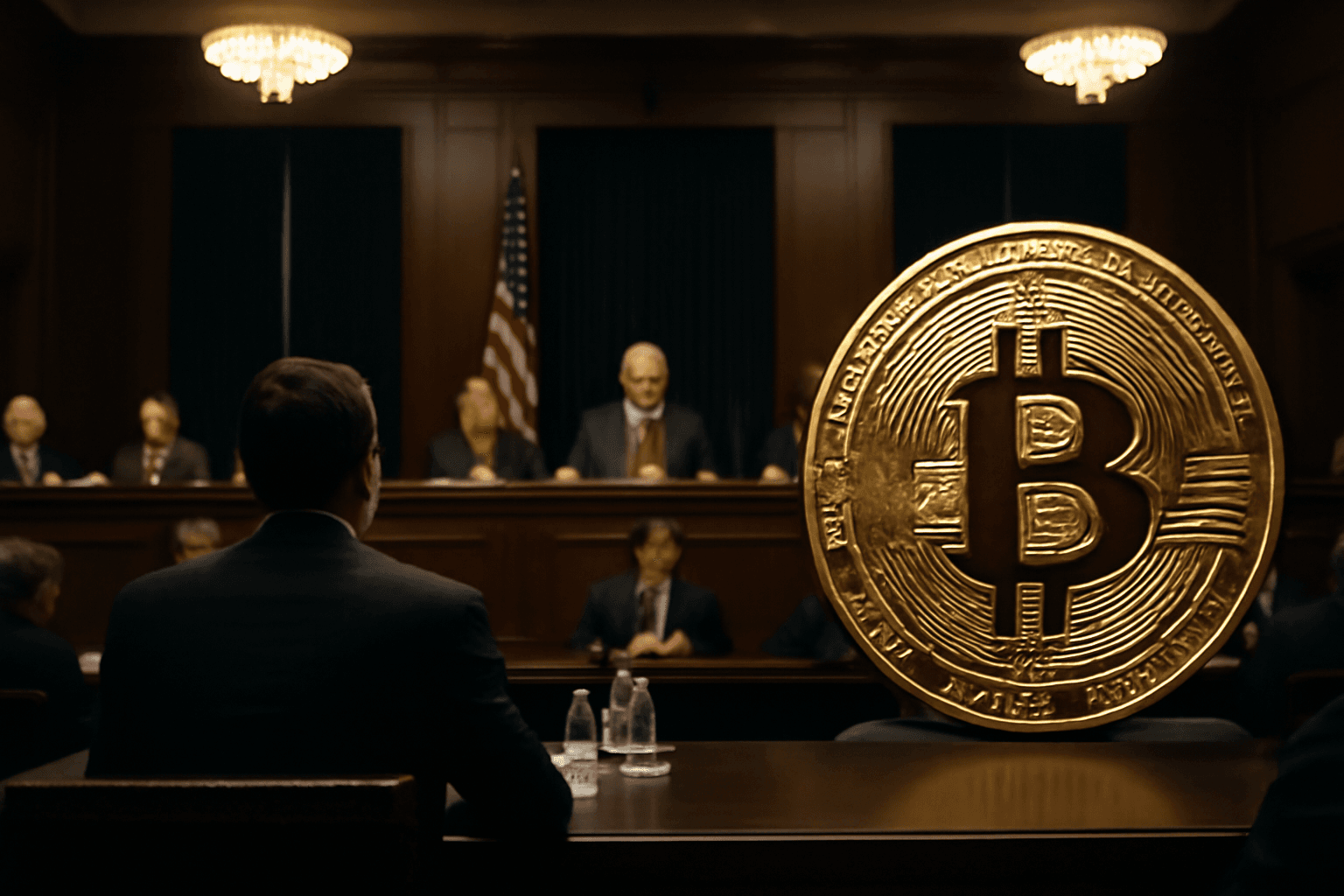
The United States Senate is gearing up for a crucial moment on July 17, with implications that could ripple through the entire cryptocurrency landscape. The Digital Asset Market Clarity Act, a piece of legislation that advocates have pursued for nearly two years, is presently stalled. The urgency is palpable: prediction market odds for its passage have plummeted from the low seventies to around 43 percent. The stakes are significant, and for many investors, this is not just another congressional hearing.
This particular hearing, hosted by the House Financial Services Committee in New York and titled Building the Future of Finance: How CLARITY Act Unlocks Innovation, is symbolic. While it lacks the authority to enact any legislation, it serves as a key stage for all parties involved from Senate holdouts to officials responsible for ETF issuances forcing them to publicly declare their positions. This moment is critical, especially as the fate of this bill becomes less certain with the impending August recess.
The Broader Context of the CLARITY Act
The potential approval of the CLARITY Act could mean establishing a long-desired legal framework for digital assets, enabling clearer guidelines for how these assets are categorized and regulated. Presently, a murky delineation exists between commodities and securities, determined by shifting interpretations rather than solid legislative foundations. Under the proposed Act, the Commodity Futures Trading Commission (CFTC) would continue to oversee commodities while the Securities and Exchange Commission (SEC) would focus on securities. This clarity in regulation could foster a more solid market environment.
Investor Implications
The timing couldn't be more crucial. Currently, Bitcoin hovers around $63,000, fluctuating under pressures from Federal Reserve policies, which indicate a tilt towards rate hikes rather than cuts. Other cryptocurrencies like Ethereum are also under pressure, trading below $1,800, creating a hesitant market atmosphere where total market capitalization sits at around $2.17 trillion. With data like the Fear and Greed Index firmly entrenched in fear territory, investors are looking for durable catalysts something the CLARITY Act promises to offer, independent of external macroeconomic influences like oil prices or geopolitical unrest.
If the bill finds success in its legislative journey, it could permanently reshape how the digital asset market operates and evolves. In contrast, delays could serve as a reminder of how vulnerable the crypto ecosystem is to broader economic conditions. Investors need to remain alert as this hearing unfolds; the outcomes may indicate whether substantial progress is attainable.
This material is informational and should not be considered financial advice.