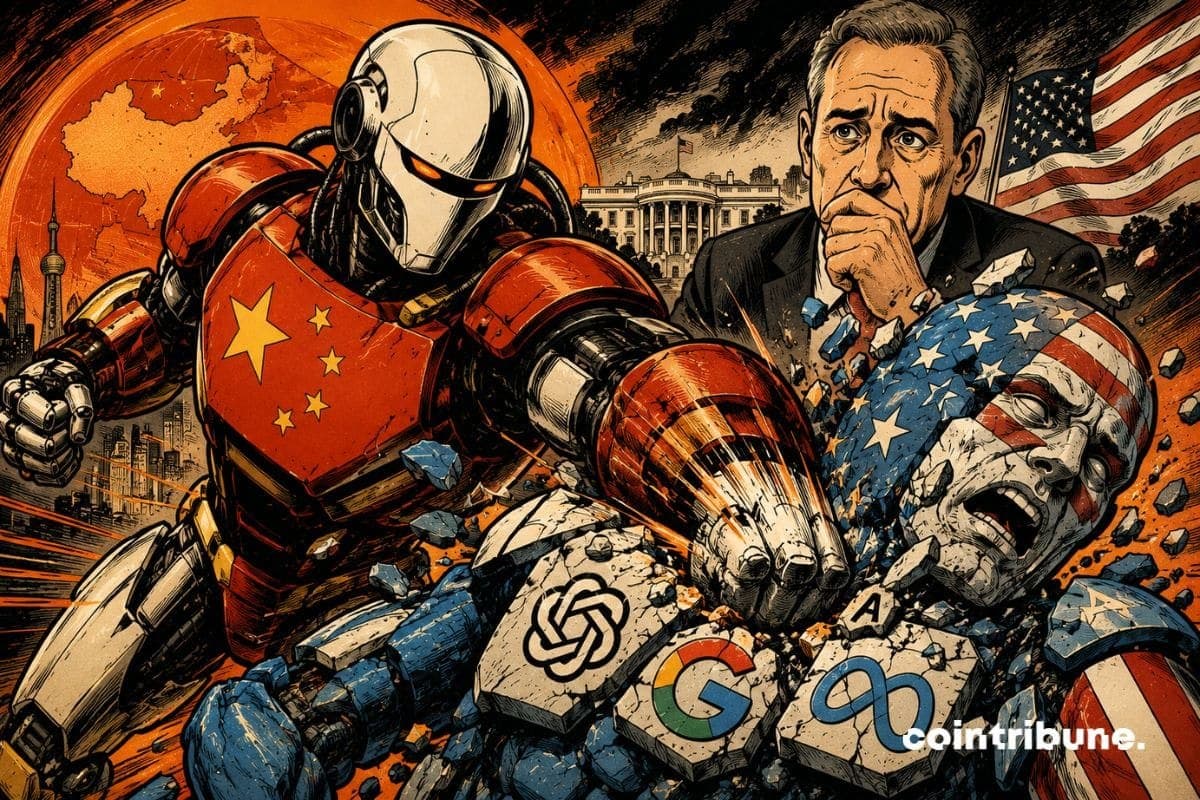
On July 19, 2026, Chinese AI model Kimi K3 broke new ground by outperforming US counterparts Claude Fable 5 and GPT-5.6 on the Frontend Code Arena benchmark.
Achieving 1,679 points, Kimi K3 not only demonstrated superior performance but also operates at 40% lower cost, thanks to its open-weight architecture offering enhanced flexibility.
This milestone signals a significant narrowing of the technological gap between Beijing and Washington, highlighting aggressive Chinese advancements amid American regulatory constraints.
David Sacks, notable tech entrepreneur and adviser to Donald Trump, warned that US bureaucratic hurdles risk undermining American leadership in AI. His observations reflect frustration at Washington’s slow pace juxtaposed with Beijing’s rapid deployment of accessible, affordable AI solutions.
Sacks’ reputation is mixed: former PayPal COO with early bets on Facebook and SpaceX, but with fluctuating stances on crypto and politics. His shifts from criticizing Bitcoin in 2021 to advocating stablecoins by 2023 raise debate about his reliability as a forecaster.
Despite this, his alert on America essentially handicapping itself in the AI race gains weight amid China’s clear strategic momentum.
The Kimi K3 breakthrough challenges assumptions of US technological invincibility and forecasts intensifying competition where regulatory policy and innovation speed will decide winners.
Investors and companies must weigh how America’s internal challenges may erode advantages built over decades, even as Chinese firms expand global market reach with cost-effective offerings.
This material is for informational purposes and does not constitute financial advice.