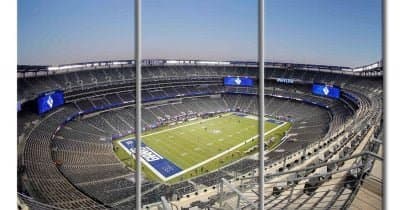
Over $25 million in secondary ticket sales have flowed through FIFA's blockchain ticketing platform, FIFA Collect, during the 2026 World Cup, marking a key development in how major events handle ticket distribution and resale. This milestone highlights blockchain’s capacity to transform traditional ticket markets by offering transparency and reducing fraud.
Blockchain Integration in Sports Ticketing
FIFA's adoption of Avalanche’s blockchain technology for ticketing at the MetLife Stadium represents a strategic move to address long-standing issues such as ticket counterfeiting, scalping, and bot-driven purchases. The system issues Right-to-Buy tokens digital assets that verify a holder’s eligibility to purchase tickets at face value. This method replaces conventional queuing with a verifiable and tradeable digital waiting list, ensuring genuine fans access tickets without falling prey to automated bots or fake sales platforms.
Such innovation not only enhances fan experience but also establishes a transparent secondary market. Ticket holders can resell their rights openly, with transactions recorded on the blockchain, which increases market efficiency and trust. The demand surge for the final between Spain and Argentina pushed secondary ticket prices up to $10,000, reflecting solid market activity facilitated by blockchain verification.
Beyond ticketing, the event saw other crypto integrations: Kraken was appointed the Official Crypto Exchange Supporter, and an unofficial memecoin, $FINAL, generated speculative trading linked to the final match. While the memecoin activity signals growing crypto enthusiasm around major sports events, investors should exercise caution amid hype-driven volatility.
FIFA’s experiment also extended to stadium infrastructure, with MetLife Stadium upgrading to a natural grass pitch and enhanced security to accommodate the massive international audience. Even pieces of the pitch were sold as memorabilia, priced from $450 to $3,000, illustrating creative monetization tied to event exclusivity.
Feeding into broader market implications, this $25 million volume in blockchain-backed secondary sales proves a practical use case where crypto technology meets real consumer pain points. It suggests a roadmap for other large-scale events looking to modernize ticketing and enhance consumer confidence. Investors in blockchain solutions might view this as a signal of growing demand for decentralized and transparent applications beyond pure speculation.
This material is for informational purposes and does not constitute financial advice.