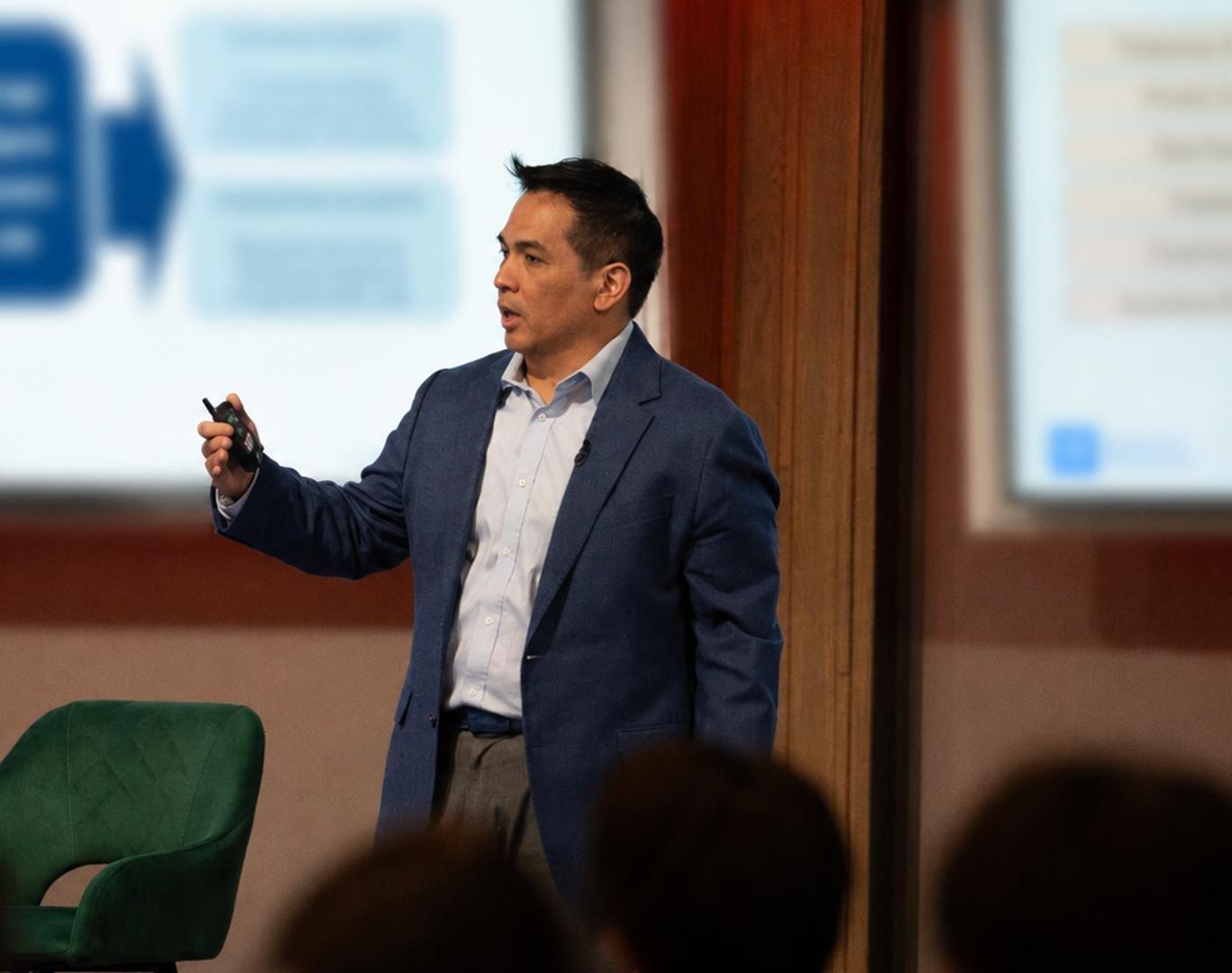
The insights from Thomas Sy, head of multi-asset solutions at New York Life Investment Management (NYLIM), provide a significant glimpse into the evolving landscape of asset management. His assertion that tokenization could pave the way for truly personalized investment portfolios highlights a critical shift in financial services, driven by the capabilities of blockchain technology.
Tokenization: A Game Changer for Customized Investments
Sy emphasizes that the future of asset management will focus on hyper-customization, with blockchain serving as the backbone of this transformation. While many advocates of tokenization primarily highlight benefits such as rapid settlement times and 24/7 trading, Sy encourages stakeholders to understand the technology's potential to reconstruct investment portfolio strategies. This is particularly pertinent as traditional finance often struggles to cater to individual investor needs on a scalable level.
Market Demand for Institutional Tokenized Products
The adoption of stablecoins within payment systems is driving an increasing demand for tokenized investment products that yield returns, a trend that could redefine how institutional investors approach asset allocation. Sy notes the importance of developing the necessary market infrastructure that will enable DeFi to flourish within the institutional space.
With the market for tokenized real-world assets projected to soar from $30 billion to $5.5 trillion by 2030, as anticipated by Citi, the potential impact on market dynamics is enormous. Financial players, including banks and asset managers, are beginning to issue tokenized versions of various asset classes, such as money market funds and private credit, aiming to modernize the financial plumbing of traditional markets.
Streamlining Operations Through Tokenization
One of the most compelling aspects of NYLIM’s approach to tokenization is its focus on improving how portfolios are assembled, rather than simply creating blockchain versions of existing funds. This approach presents operational complexities, as effective customization often involves a mix of ETFs, bonds, and private credit. Sy articulates that the ultimate goal is to embed customization directly into the tokenized assets, thus streamlining operational processes.
As traditional financial models struggle to adapt to the growing demand for personalized investment strategies, the evolution of tokenization may offer a pathway to not only meet but exceed these expectations. By enabling greater customization and efficiency, blockchain technology could potentially reshape investment strategies in ways we are only beginning to understand.