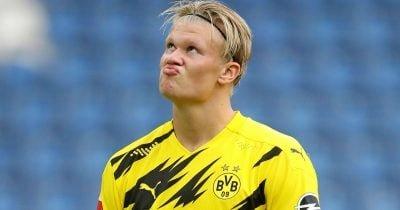
As Manchester United gears up for the 2026/27 Premier League season, they have expressed confidence that forward Benjamin Šeško will be fit to contribute, marking a hopeful turn after a challenging debut year marred by injury. This situation serves as a lens into the broader economic implications of modern sports contracts, especially as they intersect with the burgeoning field of tokenized athlete performance markets.
Šeško's transfer, which was valued at €76.5 million, with an additional €8.5 million tied to performance metrics, illustrates a new era where player evaluations and financial transactions are intricately linked. The performance-based clauses in such contracts signify a shift from fixed fees to more flexible structures that adjust based on the athlete's contributions most notably, their ability to remain injury-free and active on the pitch.
From a financial perspective, this model acts like a derivative, where the transfer fee consists of a base price supplemented by conditional payments. These payments hinge on measurable achievements, such as goals scored or games played, raising the stakes for both the club and the player. Missing matches not only costs teams potential victories but also potential revenue from these performance-linked payments.
Moreover, the concern raised by Slovenia’s national team regarding Manchester United's handling of Šeško's injuries highlights an underlying tension in modern athlete management. When multiple stakeholders, from clubs to national teams, have vested interests in a player’s performance and health, conflicts can arise over care strategies and communication.
As the sports industry becomes increasingly intertwined with digital assets and tokenization, the implications for how athletes are valued can shift dramatically. These developments may push clubs to adopt more transparent and efficient processes in managing player injuries and their associated risks. This reflects a larger trend in sports economics, where the financial intricacies of contracts are likely to become more sophisticated and performance-oriented.