In a groundbreaking move, Hemispheric has secured $52 million in early-stage funding to enhance mental health diagnostics using artificial intelligence. This startup, co-founded by one of the brains behind Apple’s FaceID, is set on transforming how conditions like PTSD, depression, and Parkinson’s are diagnosed, making it as routine as a blood test.
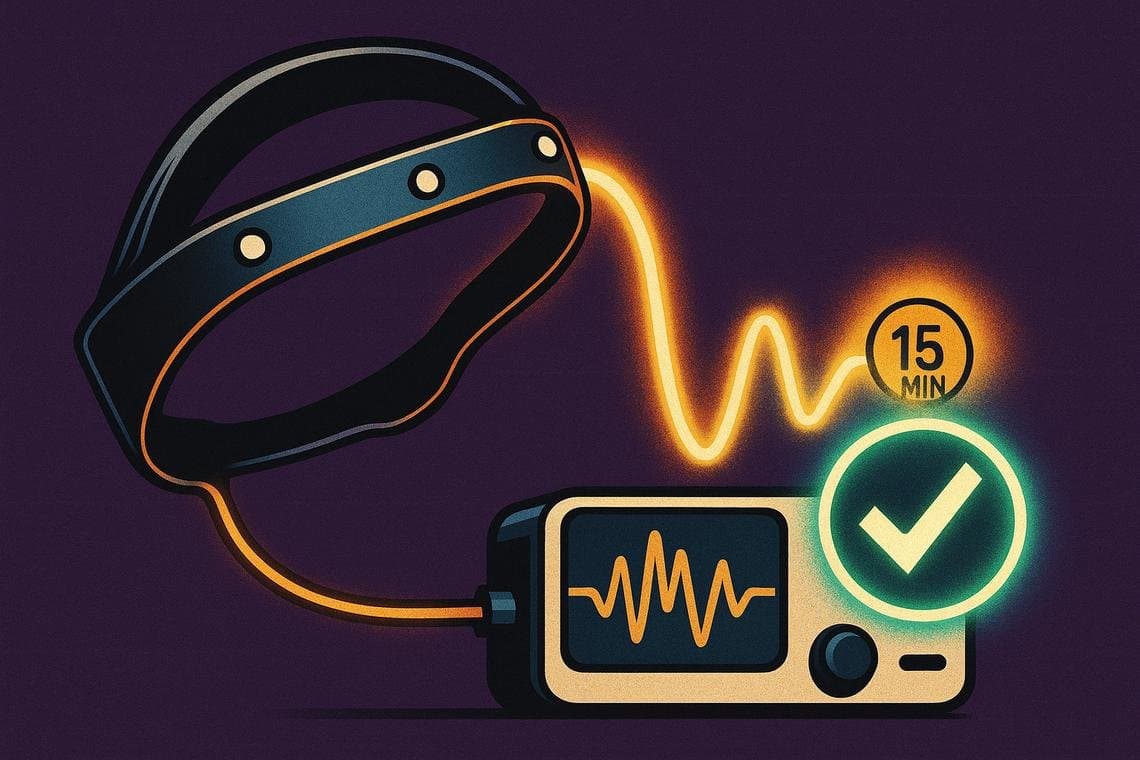
The technology hinges on a non-invasive approach that leverages a lightweight EEG headset and a tablet app. This system captures brain activity in approximately 15 minutes, radically streamlining the diagnostic process that often involves cumbersome imaging machines and lengthy waiting periods. Hemispheric's initial focus will be on PTSD diagnosis, with an FDA submission anticipated in early 2025 and a public roll-out planned for 2027.
Significance of a Strong Data Foundation
The cornerstone of Hemispheric’s innovation is its extensive dataset, comprising a quarter of a million hours of brain activity collected from 100,000 volunteers across Asia, Tel Aviv, and Boston. This level of data collection is unprecedented in the field of mental health diagnostics, setting Hemispheric apart from competitors who may lack such comprehensive datasets. The startup’s ability to train AI algorithms on this scale could lead to more accurate and reliable diagnostic tools, a critical advancement in mental health care.
Co-founder Hagai Lalazar’s vision is to democratize access to mental health diagnostics, envisioning a world where these tools are as ubiquitous as traditional blood tests. For investors, this represents a promising opportunity within the burgeoning field of health-tech, particularly as mental health awareness continues to grow globally.
The partnership between Lalazar and Gidi Littwin, who has a rich background in building large-scale AI systems at Apple, shows the project's potential. Their combined expertise is key in establishing a solid data operation that can effectively teach machines to recognize the complex electrical signatures associated with mental disorders.
As mental health increasingly comes into focus, innovations like those from Hemispheric could not only influence clinical practices but also shape public perceptions and policies surrounding mental health care. The implications for healthcare providers, insurers, and patients could be profound, leading to more timely interventions and better health outcomes.
This article is for informational purposes only and should not be considered financial advice.