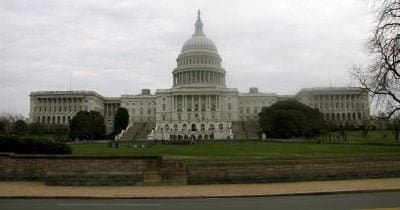
Recent reports suggest that a budget bill put forth by the U.S. House could significantly hasten the disbursement of $73 billion intended for military engagement with Iran. This fresh development is timely, coinciding with the White House’s escalating calls for increased military funding amidst ongoing U.S.-Iran tensions.
The backdrop to this funding push is marked by a delicate but tense ceasefire established in April, which has shown signs of fraying following coordinated strikes by U.S. and Israeli forces earlier this year. As military actions resume on both sides, the prospects for a comprehensive nuclear agreement seem increasingly dim.
Market Reactions and Political Context
Market analysts are displaying heightened skepticism regarding the likelihood of a U.S.-Iran nuclear deal, as reflected in the fluctuating odds surrounding various timelines for potential agreements. The shift in military funding strategy indicates a possible preparation for a prolonged conflict, rather than a quick resolution. This could alter market dynamics significantly, as investors weigh the implications of extended military engagements.
Key political figures, including President Trump and Iran’s Foreign Minister Abbas Araghchi, will play crucial roles as developments unfold. Statements from these leaders could sway market sentiment and investor confidence. Observers should closely monitor not only the congressional debates surrounding the budget bill but also any shifts in military operations, as these elements will directly impact the complicated web of negotiations and military strategy.
What Investors Should Watch
Investors and market watchers should keep an eye on:
- The progression of congressional actions related to the budget bill, which could accelerate military funding.
- Statements from significant political figures that may shape market perceptions.
- Developments in U.S.-Iran military operations that could further complicate the nuclear negotiations.
This situation calls for careful observation, as it could signal not just military escalation but also a significant shift in geopolitical dynamics in the region. The intertwining of military funding with diplomatic efforts highlights the precarious balance the U.S. seeks in its foreign policy strategies.
This article is for informational purposes only and does not constitute financial advice.