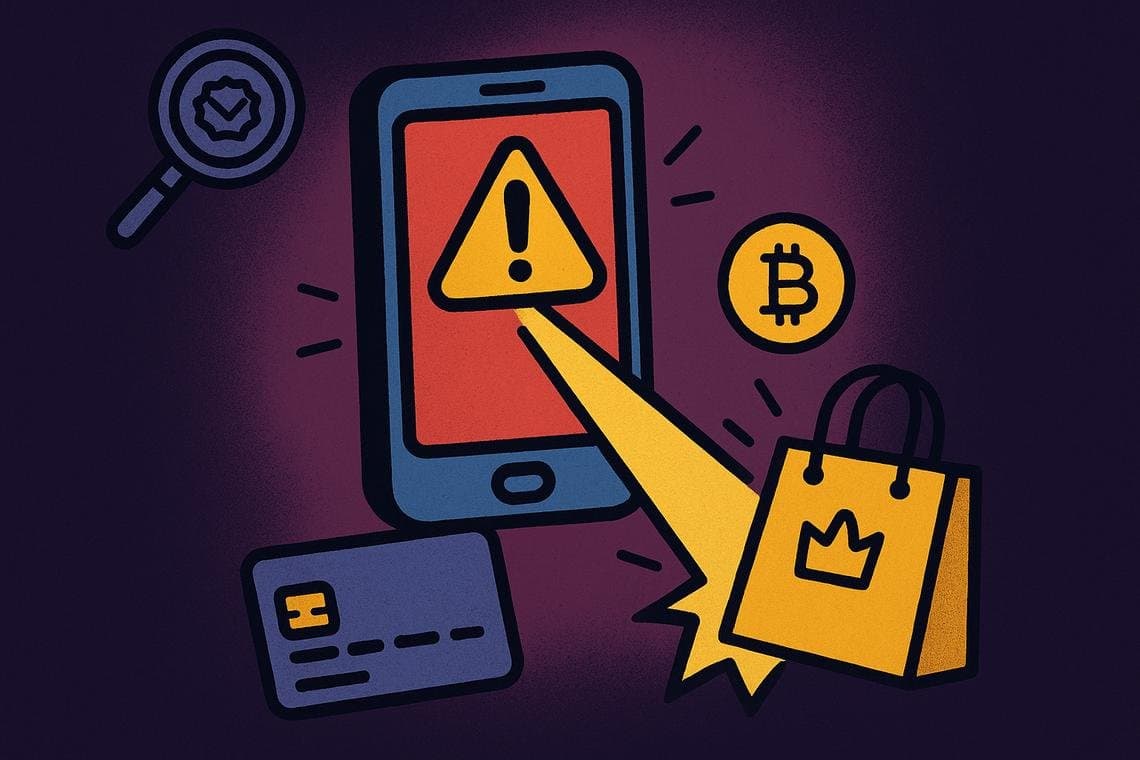
The alarming case of an 86-year-old woman from New Kent, Virginia, serves as a stark reminder of the vulnerabilities faced by elderly individuals in the digital age. Edith Minor fell victim to a sophisticated scam that resulted in the loss of $11,500, showcasing how cybercriminals exploit trust to manipulate victims.
Scam Mechanics: A Breakdown
Minor's ordeal began with a seemingly innocent alert on her computer, claiming that hackers were attempting to access her financial accounts. This diversion tactic is common among fraudsters, who use a sense of urgency to provoke immediate action. Trusting the system, Minor dialed what she believed to be a legitimate Wells Fargo number, unaware that she was speaking to a scammer.
The scammer's approach involved multiple calls and a persuasive narrative promising to safeguard her funds by having her withdraw them from her accounts. He manipulated her emotions, creating a scenario where she felt compelled to act quickly to protect her money. This tactic is particularly effective against individuals who may be less familiar with technology and the associated risks.
Impacts Beyond Financial Loss
While the immediate financial impact of Minor's losses is significant, the broader implications are even more troubling. Victims like Minor often experience emotional distress and diminished trust in institutions. In this instance, Minor noted her suspicions only when the scammer asked her to take out a loan an alarming red flag that illustrates the progression of deceit.
This incident sheds light on the importance of financial literacy and the need for educational programs targeting vulnerable populations. Banks and financial institutions need to take proactive measures to educate customers about common scams and the importance of verifying communications that seem unusual.
The Role of Technology and Community Support
The evolution of technology has led to the emergence of new types of scams, and as seen in Minor's case, older adults often struggle to keep pace with these changes. As such, community support and solid fraud prevention measures are crucial. Developing partnerships between financial institutions, local governments, and community organizations can create a security net for those at risk.
Furthermore, incidents like this one highlight an urgent need for regulations around consumer protection in the fintech space. Enhanced oversight could lead to increased accountability and protect the most vulnerable consumers from exploitation.
This material is informational and should not be taken as financial advice.