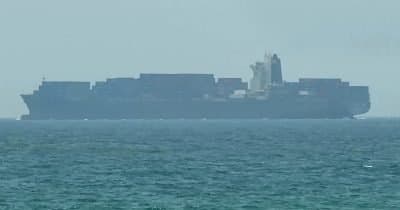
President Donald Trump announced a 20% fee on cargo passing through the Strait of Hormuz, a crucial artery for global oil transport, which could impact about 20% of the world’s seaborne oil supply.
This announcement immediately sent Brent crude prices soaring above $86 per barrel, the highest in a month, as traders anticipated potential reroutes and delays in shipping schedules. Such a move positions the US as the so-called 'guardian' of this vital passage, aiming to recoup military costs associated with securing the waterway.
Shipping industry leaders have cautioned that the toll could significantly affect shipping volumes. If vessels opt for the longer route around the Cape of Good Hope, oil delivery times to Europe and Asia could extend by approximately two weeks. This represents a striking shift from the US government's previous stance, as Secretary of State Marco Rubio had only a month ago rejected the idea of tolls on international waters.
While Trump's announcement does not explicitly mention cryptocurrencies, it recalls earlier discussions involving Iran where digital assets like Bitcoin were considered for toll payments. This sets a precedent that could lead sanctioned entities, like Iran, to explore crypto transactions to evade financial restrictions, potentially boosting on-chain activity and attracting regulatory scrutiny on cross-border crypto flows.
The geopolitical tensions, heightened by airstrikes against Iranian targets and the reinstated naval blockade, create an uncertain environment for crypto traders. The implementation of this toll could serve as a significant indicator for market reactions. Major shipping companies announcing reroutes would signal real supply disruptions, while a quiet retreat from the toll would likely ease oil prices, allowing crypto markets to stabilize and trade on their own merits.
This material is for informational purposes only and should not be considered financial advice.