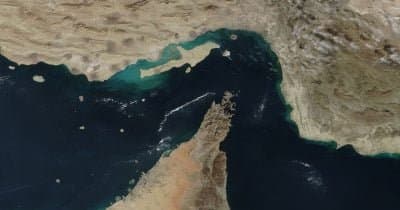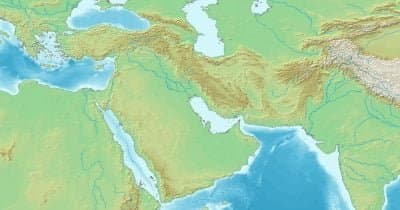
Gulf nations have thrown their weight behind Iran's proposal to charge voluntary fees on ships moving through the Strait of Hormuz, a key global oil passageway. The plan, backed notably by Oman, aims to generate up to $40 billion a year for Iran by imposing service fees connected to navigation safety, security, and environmental upkeep.
The Strait of Hormuz channels around 20% of the world's oil supply daily, making this potential fee system a major shift. Iran's earlier suggestions included charges reaching $2 million per tanker, with talks about accepting yuan payments rather than US dollars. This introduces a new dynamic in energy trade, aligning with broader moves toward currency de-dollarization in global commodities.
Geopolitical Ripples and Economic Stakes
The move coincides with ongoing US-Iran diplomatic talks following recent conflicts, suggesting this fee scheme is part of a bigger political negotiation. The US government has expressed concerns, seeing the $40 billion revenue stream as a significant economic boost for Iran that sidesteps existing sanctions. plus the yuan payment angle adds tension, feeding into a growing trend where energy and commodity transactions shift away from the dollar.
The voluntary nature of these fees contrasts with tolls at other strategic waterways like the Straits of Malacca, highlighting Iran’s effort to frame charges as linked to services rather than mandatory tolls. Yet Iranian officials have sometimes implied the payments are compulsory, raising questions about how vessels will respond.
This development could impact global oil prices and shipping costs, further intertwining energy markets with geopolitical strategies. The potential shift in payment currency and additional fees might also influence crypto-adjacent commodity trading, as new financial instruments emerge to adapt to this evolving landscape.
This material is informational and not financial advice.