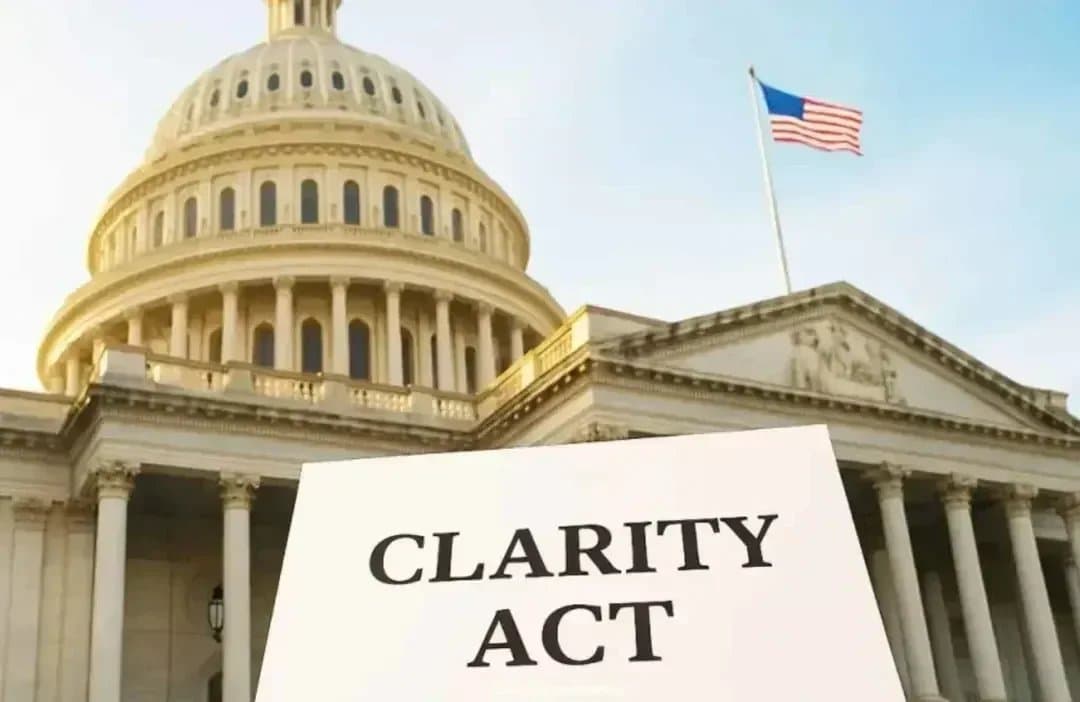
Just 14 days remain for the U.S. Senate to approve the CLARITY Act before the August recess, a key deadline that Grayscale believes could unlock significant institutional growth in crypto. This bipartisan legislation aims to resolve longstanding regulatory uncertainties that have held back blockchain adoption, especially for assets like XRP.
The CLARITY Act, unveiled fully on July 22, proposes a clear legal framework for digital assets. It spells out regulatory responsibilities, offers protections for non-custodial developers, and tightens anti-money laundering and KYC rules. If passed, it would give companies much-needed clarity on how cryptocurrencies are regulated, potentially encouraging banks and institutions to embrace XRP-powered payment and settlement systems.
XRP has already carved a niche in cross-border payments, tokenization, and enterprise finance, but U.S. regulatory ambiguity has limited its wider adoption. Ripple's ongoing push with the XRP Ledger, tokenized real-world assets like RLUSD, and blockchain infrastructure positions it well to benefit from predictable rules. Grayscale compares the CLARITY Act's potential impact to the introduction of spot crypto ETFs, which opened institutional floodgates by creating regulated investment options.
For the XRP community, this legislation is more than a policy update. It could trigger a wave of institutional interest and strengthen enterprise demand, accelerating the network's next growth phase. The tight Senate timeline adds urgency, as delays might push the bill into the distraction of midterm elections.
Recent shifts in XRP holdings highlight how regulatory clarity could stabilize and expand institutional involvement. Meanwhile, Ripple's enterprise strategy advances with tools designed to integrate smoothly into financial institutions, awaiting regulatory signals to scale.