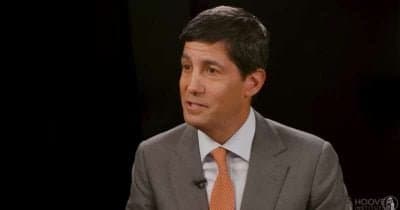
David Solomon, CEO of Goldman Sachs, has taken a clear stance in favor of the Digital Asset Market Clarity Act, diverging from many of his Wall Street peers this week. Speaking to Politico, Solomon expressed his backing for the legislation aimed at providing a formal regulatory framework for most crypto activities in the US.
According to Solomon, the Clarity Act offers a much-needed "market structure" that could accelerate innovation in the cryptocurrency sector. The bill proposes to classify the majority of crypto tokens as non-securities, thereby removing them from the SEC's jurisdiction, and includes protections for developers working on decentralized software. It also tackles controversial issues such as whether crypto platforms should be permitted to pay interest on stablecoin holdings.
While acknowledging the bill is "not perfect" and open to debate, Solomon emphasized its potential to create a "level playing field" that fosters market stability and encourages institutional participation. This viewpoint contrasts with other major banks like JPMorgan, whose CEO Jamie Dimon has pushed to repeal the bill's stablecoin yield provisions.
Banking Sector Pushback on Stablecoin Yields
Stablecoins, which are tokens pegged to the US dollar, offer faster fund transfers and higher interest rates often between 3% and 5% annually on tokens such as Circle’s USDC compared to traditional bank savings accounts. Crypto firms like Coinbase have leveraged these rewards under the GENIUS Act, sparking resistance from banks that see these yield offerings as a threat to their business models.
Solomon’s support for the bill could help ease regulatory uncertainty and encourage more financial institutions to enter the crypto space, a goal Goldman Sachs has been advocating for. However, the legislation’s prospects remain uncertain, as Democrats criticize its ethics provisions aimed at former President Trump’s crypto activities as insufficient, and Wall Street’s division continues to slow progress.
Senate Democrats Reject GOP Ethics Proposal as Clarity Act Faces Delay provides further insight into the legislative hurdles this bill faces.