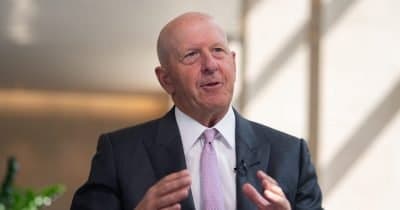
At the World Liberty Forum on February 18, David Solomon stood up in front of an audience and endorsed the CLARITY Act by name. For a Wall Street CEO who has spent years treating crypto as a side note, the move landed with unusual weight in Washington.
What the bill actually changes
H.R. 3633, the Digital Asset Market Clarity Act of 2025, targets a problem that has dogged the industry for years: nobody agrees on which federal regulator has jurisdiction over which asset. The bill draws a legal boundary between the SEC and the CFTC, spelling out the conditions under which a digital token counts as a security versus a commodity. The House cleared it on July 17, 2025, with a notably broad bipartisan vote of 294 to 134. The Senate Banking Committee moved it forward in early 2026, but a full Senate floor vote is still pending.
The sticking point is stablecoins. Senators are still arguing over whether stablecoin issuers should be able to pay yield-like rewards to holders, and how that would affect traditional banks trying to compete with crypto-native providers. Until that piece gets resolved, the bill stays in limbo.
Solomon's measured case for codified rules
Solomon's backing is calibrated. On a January 2026 earnings call, he acknowledged the Act had "a long way to go" before it could become law, and he was blunt that crypto is not a core business for Goldman Sachs. His argument at the Forum was framed around US competitiveness rather than enthusiasm for digital assets: without written, predictable rules, American markets operate at a disadvantage relative to jurisdictions that have already legislated.
His remarks came roughly two weeks after Treasury Secretary Scott Bessent testified before the Senate on February 5, pushing lawmakers to move quickly. Two senior figures in the same fortnight signals coordinated pressure, even if neither is betting the house on crypto itself.
The cost of waiting
The EU's MiCA framework has been operational since 2024. Singapore, the UAE, and Hong Kong have all passed dedicated digital asset legislation and are actively recruiting crypto businesses. Every additional month the US spends debating stablecoin yield mechanics is a month where capital and engineering talent relocate to markets with clearer ground rules. Solomon's endorsement does not guarantee Senate passage, but it raises the political cost of stalling for lawmakers who care about the financial sector's opinion.
This article is for informational purposes only and does not constitute financial or investment advice.


