"Insurance costs for shipping through the southern Red Sea doubled in a single day," noted Mario Nawfal, highlighting the sharp rise in risks after Yemen’s Houthis attacked two Saudi oil tankers. This surge in Middle East tensions propelled gold prices higher during the week, despite Friday’s 0.5% dip to around $4,030 per ounce. The precious metal is poised to close the week with its first gain in three weeks, up about 0.8% overall.
The geopolitical unrest, fueled by Tehran-backed Houthi strikes, sparked a jump in oil prices and reignited inflation worries just as the U.S. released solid labor data. Initial jobless claims unexpectedly dropped to 187,000, a decades-low figure that pushed the 10-year Treasury yield to its highest level since January 2025. Bond yields climbing works against gold's appeal because it offers no yield, making interest-bearing assets more attractive.
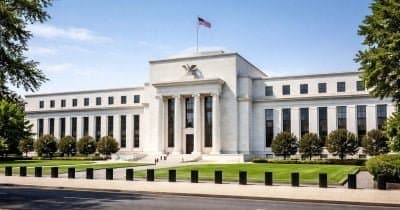
Market sentiment also reflects a 34% chance of a rate hike at the Federal Reserve’s upcoming meeting, a shift influenced by the strong employment figures. Analysts at Nomura predict the Fed will likely hold rates steady next week, with Chair Kevin Warsh expected to avoid strong forward guidance amid a lack of fresh economic projections. Still, higher yields and a firm U.S. dollar, which hovered near 101.45, weighed on gold, leaving the metal under pressure.
Senior analyst Tony Sycamore from IG pointed out gold is attempting to build a foundation above the late June low near $3,942, viewed as key support. For a more confident rally, gold would need to break past $4,202. Meanwhile, tensions in the Middle East continue to inject volatility into oil and related markets, reminiscent of dynamics discussed in US gas price shifts amid Iran tensions. The coming days will be critical in assessing gold’s direction as investors balance geopolitical risks against monetary policy moves.