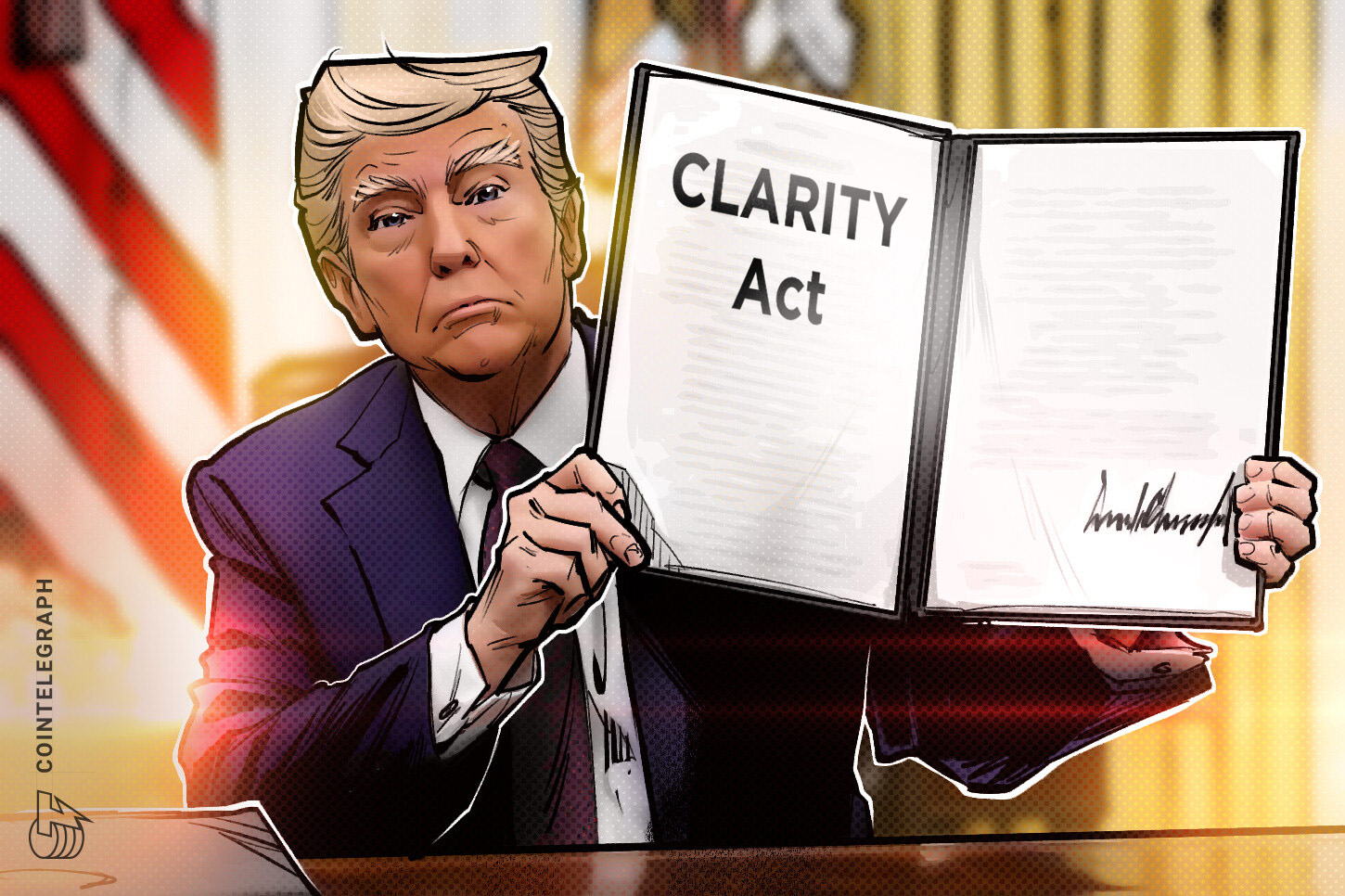
Galaxy Slashes CLARITY Act Passage Odds to 50% Amid Shrinking Senate Schedule
Galaxy has lowered its odds for the CLARITY Act passing in 2026 to 50%, warning that the Senate is running out of floor time before the August recess.
Cryptocurrency and blockchain research firm Galaxy has revised its probability estimate for the passage of the CLARITY Act down to 50%, citing growing concerns over limited available time on the Senate floor ahead of the August congressional recess.
The downgrade marks a notable shift in expectations surrounding one of the most closely watched pieces of crypto legislation in the United States. The CLARITY Act, which aims to establish a clearer regulatory framework for digital assets, had previously been viewed with greater optimism by market participants and industry observers.
Galaxy's analysts pointed to the increasingly congested Senate legislative calendar as a primary reason for the lowered odds. With lawmakers juggling a packed agenda before the summer recess, carving out sufficient floor time to debate and advance the bill has become a significant challenge. The window for meaningful progress is narrowing, and any delays could push the timeline well beyond the August break.
The Senate's schedule constraints are not unique to cryptocurrency legislation — multiple high-priority bills compete for limited floor time each session. However, for crypto advocates and industry stakeholders, the stakes are particularly high. A delay in passing the CLARITY Act could leave digital asset markets operating under continued regulatory uncertainty, something that industry leaders have long argued stifles innovation and investment in the United States.
The 50% probability assigned by Galaxy reflects a genuinely uncertain outcome. Supporters of the legislation remain hopeful that bipartisan momentum and growing institutional interest in crypto could help push the bill forward, while skeptics warn that procedural hurdles and competing legislative priorities may prove insurmountable before recess.
Market participants will be closely monitoring any developments in the Senate over the coming weeks. A successful vote before the August recess would represent a landmark moment for U.S. crypto regulation, while a failure to advance the bill could dampen sentiment across digital asset markets heading into the second half of 2026.
Galaxy's updated forecast serves as a reminder that even well-supported legislative efforts can face unexpected setbacks when congressional scheduling realities come into play.