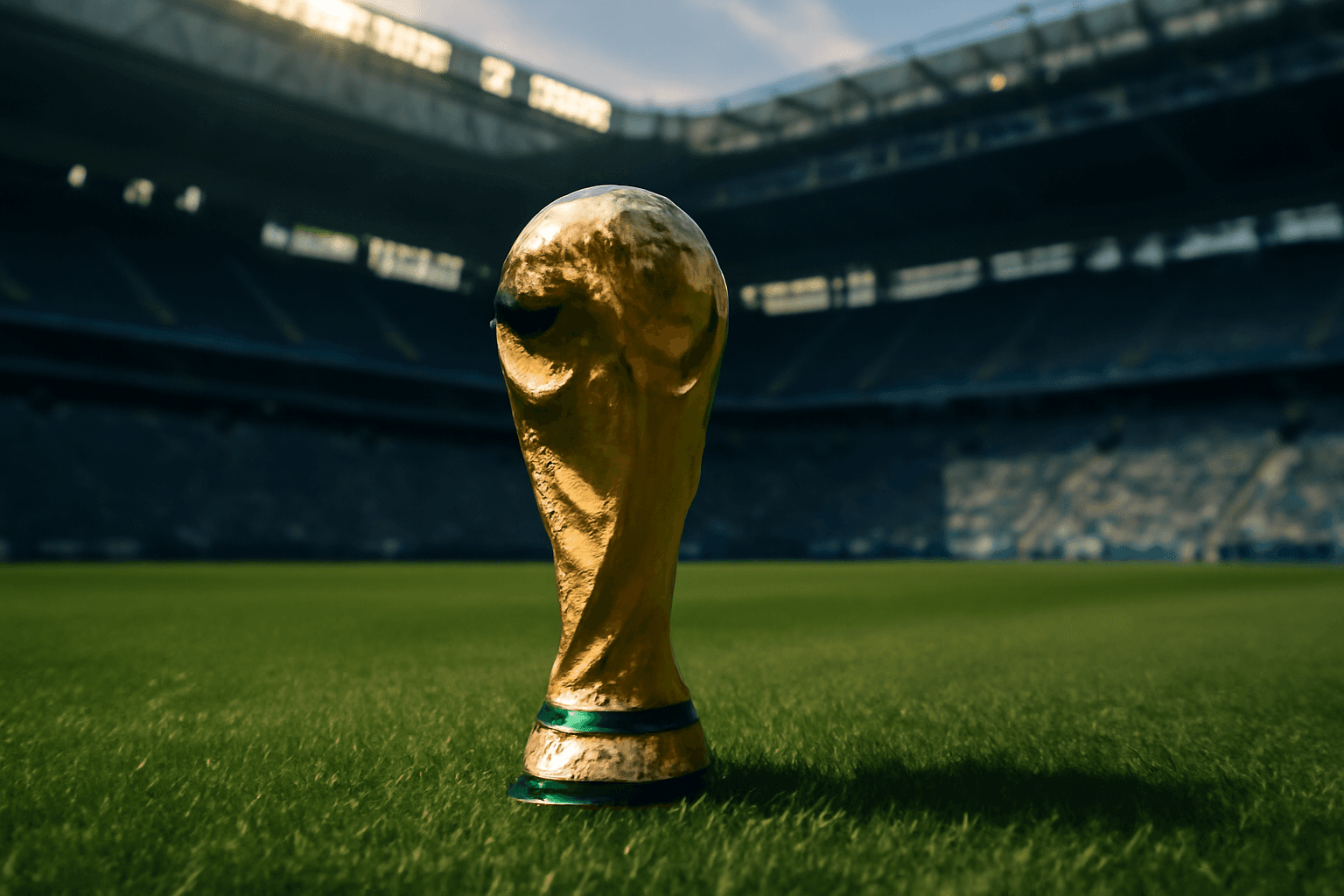
FIFA announced that its integrity team found no evidence of suspicious betting or match manipulation throughout the 104 games of the 2026 World Cup. This statement came just a day before the Group of Copenhagen, an independent watchdog within FIFA's own integrity task force, revealed it had issued seven integrity notices and placed 15 matches under closer observation.
The Group of Copenhagen, which monitors betting patterns and suspicious activities, operates on a four-level alert scale. The seven notices issued were categorized as yellow, the lowest level indicating alerts such as unusual odds shifts or social media rumors but no confirmed manipulation. No higher-level orange or red notices were issued, suggesting no serious integrity breaches were found. FIFA's task force reviewed these alerts thoroughly before concluding the tournament was clean.
The volume of betting was unprecedented, with about $240 billion wagered during the event roughly double the amount recorded at the 2022 Qatar World Cup. Despite this surge in betting activity, only seven alerts emerged, underscoring the difficulty of detecting concrete manipulation amidst massive betting flows.
The monitoring effort involved 14 national betting platforms and a network of over 45 organizations collaborating to analyze odds movement, betting offer withdrawals, and intelligence from social media and known suspects in sports manipulation. The Council of Europe and the Group of Copenhagen, both part of FIFA's task force alongside agencies like the FBI, INTERPOL, and Sportradar, coordinated this operation.
the 2026 tournament marked the first time prediction markets were under continuous surveillance during a major sporting event. These markets allow users to bet on various match incidents, often anonymously, creating new challenges for integrity monitoring.


