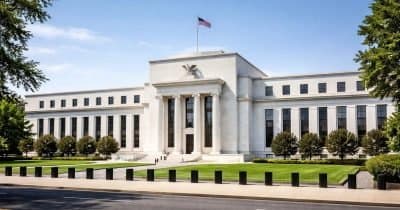
The Personal Consumption Expenditures (PCE) price index, which the Federal Reserve tracks closely, fell for the first time since the pandemic started, mainly due to a decline in gasoline prices. Headline PCE inflation now sits at 2.5% year-over-year. However, core PCE inflation, which excludes volatile energy and food prices, remains slightly higher at 2.6%, above the Fed’s 2% target.
The drop in energy costs, especially gasoline, pulled the headline figure down, but the steady core inflation keeps pressure on the Fed’s monetary policy decisions. This mixed picture means the central bank might not rush into cutting rates despite the headline easing.
Market and Policy Implications
Markets have reacted with cautious optimism, interpreting the headline PCE decline as a sign the Fed could start easing rates at upcoming meetings. Still, uncertainty looms over core inflation’s trajectory. Investors will be watching closely the Fed gatherings in September and October for any hints from officials like Jerome Powell about a potential shift in policy.
Inflation data releases in the coming months will be key to shaping expectations. If core inflation stubbornly holds above 2%, the Fed could maintain or even tighten policy further. Conversely, sustained moderation might nudge them toward rate cuts sooner than markets currently price in.
This content is informational and not intended as financial advice.